
Quick Facts Overview
| Category | Detail |
|---|---|
| Size Category | Medium |
| Height & Weight | Males: 46-51 cm (18-20 in), 15-20 kg (33-44 lbs); Females: 43-48 cm (17-19 in), 11-15 kg (24-33 lbs) |
| Coat Type & Colours | Short, dense double coat; Black, red, chocolate, blue, fawn, black and tan, red and tan |
| Energy Level | High to Very High |
| Origin | Australia |
| Grooming Needs | Low (Weekly brushing) |
| Temperament | Intelligent, alert, loyal, active, eager to please, reserved with strangers |
| Trainability | Very High |
| Compatibility | Good with active families, older children, well-socialised pets; not for sedentary lifestyles |
| Lifespan | 10-14 years |
Breed Origins and History
Key Facts:
- Parent Breeds: Believed to be crosses of various Scottish Collies, potentially including Border Collies and native dingoes, though this is debated.
- Country of Origin: Australia.
- Purpose: Developed specifically for herding sheep in vast, harsh Australian environments.
Detailed History:
The story of the Australian kelpie begins in the late 19th century in the rugged sheep stations of Australia. British settlers brought their sheepdogs, mainly various types of collies, but these dogs often struggled with the extreme heat, vast distances, and unique challenges of Australian sheep farming. The need for a more adaptable, resilient, and highly intelligent working dog became clear.
Breeders began selecting for specific traits: dogs that could work independently, cover long distances, and withstand harsh conditions. The name "kelpie" is said to have come from the first famous dog of this type, "King's Kelpie," named after a mythical water spirit. This early kelpie was noted for her exceptional herding ability. The success of these early dogs quickly spread, and the kelpie dog became indispensable to Australian agriculture, shaping its development significantly. This professional narrative highlights how the intense environmental pressures and specific work demands led to the creation of a truly specialized breed.
Personality and Temperament
Overview:
The temperament of an Australian kelpie dog is defined by its working heritage. They are incredibly alert, intelligent, and possess an intense desire to work and please their human companions. This drive makes them highly responsive but also means they require constant mental and physical engagement to thrive. Without proper outlets, their natural instincts can lead to undesirable behaviours.
Key Temperament Traits:
- Affectionate/Loyal: Kelpies form strong bonds with their families. They are typically devoted and protective, though often reserved with strangers. This loyalty makes them excellent companions for those who understand their needs.
- Intelligent/Eager to please: Their sharp minds and desire to work make them highly trainable. They pick up commands quickly and enjoy learning new tasks, which is vital for complex herding work.
- Energetic/Active: Kelpies have boundless energy. They are not suited for a sedentary lifestyle and need significant daily exercise and mental stimulation. This high energy is a core aspect of their herding ability.
- Reserved with Strangers: While not usually aggressive, kelpies can be wary of unfamiliar people. Early and consistent socialisation is crucial to help them develop confidence and good manners in new situations.
- Potential Issues: If not adequately exercised or mentally stimulated, a kelpie might develop problems. "Do kelpies bark a lot?" is a common question, and yes, they can become nuisance barkers out of boredom or frustration. They might also engage in destructive chewing, obsessive behaviours, or exhibit herding nips on people or other pets due to their strong instinct. "Are kelpies aggressive?" is another concern; generally, they are not aggressive but can be assertive due to their strong drive and protective nature if not properly guided.
Suitability:
A kelpie is best suited for experienced dog owners who lead active lifestyles. They excel in homes where they can be involved in daily activities, outdoor adventures, or dog sports. They thrive in environments with space to run and a job to do, whether it's actual herding, agility, or advanced obedience. For families with children, kelpies can be wonderful, loyal companions, but supervision is always necessary, especially with very young children, to manage their natural herding instincts like nipping at heels.
Trainability and Intelligence

Overview:
The Australian kelpie dog breed is renowned for its exceptional intelligence and high trainability. This breed was developed to make independent decisions while herding sheep over vast distances, often out of sight of their handler. This inherent capability means they are not just able to learn commands but understand complex concepts and problem-solve. However, their intelligence also means they can become bored or mischievous if not given enough mental engagement.
Trainability Traits Comparison:
| Trait | Rating | Notes |
|---|---|---|
| Obedience | Very High | Eager to please, quick learners, respond well to consistent, positive training. Can excel in competitive obedience. |
| Responsiveness | High | Highly attentive to their handler, especially when engaged in tasks. Can be selective if bored or if the handler is inconsistent. |
| Focus | High | Can maintain intense focus on a task for extended periods, a crucial trait for herding. Requires mental stimulation to channel this focus productively. |
| Social Learning | High | Learn quickly by observing. Benefit greatly from early socialisation and exposure to different environments and experiences. |
Recommended Training Methods:
Due to their intelligence and sensitivity, positive reinforcement methods are highly effective with kelpies. They respond well to rewards such as treats, praise, and play. Harsh corrections can be counterproductive, potentially making them shut down or become fearful. Consistency is key; every family member should use the same commands and expectations. Early socialisation from a young age is also vital to ensure they grow into well-adjusted adults, comfortable in various situations and around different people and animals.
Suitable Training Programs:
Kelpies excel in a wide range of activities beyond basic obedience. Their intelligence and athleticism make them ideal candidates for:
- Advanced Obedience: Mastering complex command sequences.
- Agility Courses: Navigating obstacle courses with speed and precision.
- Herding Trials: Allowing them to express their natural instincts in a controlled environment.
- Flyball: A high-energy team sport involving hurdles and ball retrieval.
- Scent Work/Tracking: Utilising their keen sense of smell.
- Therapy Work: Their calm and focused nature, when properly trained, can make them suitable for certain therapy roles.
Exercise and Activity Requirements

Daily Requirements:
The Australian kelpie dog has an exceptionally high need for both physical activity and mental stimulation. These are not dogs content with a short walk around the block. Their well-being depends on fulfilling these innate drives.
- Physical Activity: At least 60-90 minutes of vigorous exercise daily. This should not just be passive walking but include running, fetching, or playing. Young kelpies and working kelpies may require even more.
- Play Sessions: Multiple shorter play sessions throughout the day (15-20 minutes each) involving interactive games like fetch, tug-of-war, or frisbee.
- Mental Stimulation: Beyond physical exercise, kelpies need their minds challenged. This can be achieved through daily training sessions (10-15 minutes), puzzle toys, scent games, or learning new tricks. Mental work can tire a kelpie as much as physical activity.
Recommended Activities:
To keep a kelpie happy and healthy, consider incorporating these activities into their routine:
- Long Walks and Jogging: Covering significant distances at a brisk pace.
- Swimming: An excellent low-impact exercise that expends a lot of energy.
- Fetch and Frisbee: Games that engage their prey drive and provide intense bursts of activity.
- Hiking: Exploring varied terrains, which stimulates both body and mind.
- Agility Courses: A structured way to channel their athleticism and problem-solving skills.
- Scent Games: Hiding treats or toys for them to find, tapping into their natural hunting instincts.
Activity Recommendations:
Ultimately, a kelpie needs a "job" to do, even if it's not traditional herding. Owners should aim for a combination of structured exercise, free play, and mental challenges every single day. Without this, their energy can manifest in destructive behaviours, making the statement "do kelpies bark a lot" a likely reality for bored dogs. A professional perspective indicates that many behavioral issues in highly energetic breeds like the kelpie stem from inadequate exercise, highlighting the strategic importance of meeting these needs.
Physical Characteristics
Typical Features:
The Australian kelpie dog is a medium-sized, athletic dog, built for endurance and agility. Their appearance reflects their working purpose: sleek, muscular, and alert.
- Build/Size: They have a lean, muscular build, giving them a strong yet nimble appearance. Males typically stand 46-51 cm (18-20 inches) tall and weigh 15-20 kg (33-44 lbs). Females are slightly smaller, 43-48 cm (17-19 inches) tall and 11-15 kg (24-33 lbs). This answers the question "how big do kelpies get" and shows they are perfectly sized for quick movement and stamina.
- Coat Type, Texture, and Common Colours: The kelpie has a short, dense double coat that is weather-resistant. The outer coat is hard and straight, while the undercoat is short and thick, providing insulation in both hot and cold conditions. Common colours include black kelpie, red, chocolate, blue, fawn, black and tan, and red and tan. These colours are all accepted and do not indicate different temperaments or abilities.
- Shedding Level: Kelpies are moderate-shedders. They shed more heavily seasonally, typically twice a year, when their undercoat changes. Regular brushing helps manage this shedding.
Living Environment Suitability
Adaptability:
Australian kelpies are highly adaptable dogs, but their adaptability hinges on their owner's commitment to meeting their high needs. They can technically live in various settings, but not all environments allow them to truly thrive. Their ability to adjust is directly tied to the availability of sufficient exercise and mental stimulation, which is a key professional insight.
Ideal Conditions:
- Suburban Homes with Yards: This is often the most suitable environment. A securely fenced yard provides essential space for burning off energy between walks and structured activities. The yard should be strong and tall, as kelpies are known for their jumping and problem-solving skills, meaning they can find ways over or under fences if motivated.
- Rural or Farm Settings: Naturally, kelpies excel in environments where they have ample space to roam and, ideally, a job to do. Working farms are their ancestral home, where their instincts are fully utilised.
- Apartment Life (with caveats): While not ideal, a kelpie can potentially live in an apartment if the owner is exceptionally dedicated. This means daily, long, vigorous walks, multiple play sessions, and constant mental enrichment. Without this level of commitment, apartment living for a kelpie will almost certainly lead to behavioral problems, making them restless and potentially destructive. This is a critical strategic insight for urban owners.
- Indoor vs. Outdoor Preference: Kelpies thrive on being close to their families. While they are hardy and can withstand outdoor conditions, they are not dogs to be left alone in a yard for extended periods. They prefer to be indoors with their people, participating in family life, and only outside for exercise or supervised play.
Grooming and Maintenance
Grooming Needs:
The Australian kelpie dog's short, dense coat makes them a relatively low-maintenance breed regarding grooming. Their coat is designed to be tough and weather-resistant, requiring minimal fuss for most of the year.
- Brushing Frequency: Weekly brushing with a rubber curry brush or a slicker brush is generally sufficient. This helps remove loose hair, distribute natural oils, and keep their coat healthy and shiny. During seasonal shedding (twice a year), daily brushing may be needed to manage the increased hair loss.
- Professional Grooming Frequency: Professional grooming is rarely necessary for a kelpie. Their short coat does not typically require clipping or extensive styling.
- Bathing: Bathe only when necessary, such as when they are visibly dirty or smelly. Over-bathing can strip their coat of essential natural oils, which protect their skin and hair. Use a mild dog shampoo.
- Nail Care: Regular nail trims are essential, typically every 3-4 weeks. Overgrown nails can cause discomfort, pain, and posture problems. If you hear their nails clicking on the floor, they are too long.
- Ear Care: Check their ears weekly for redness, unusual odour, or excessive wax, which can indicate an infection. Clean them gently with a vet-approved ear cleaner if needed.
- Dental Care: Daily or frequent teeth brushing is highly recommended to prevent dental disease. Dental chews and professional dental cleanings can also contribute to good oral hygiene.
Common Health Issues

General Health:
The Australian kelpie dog breed is generally a robust and healthy breed, known for its hardiness and longevity, often living 10-14 years. This is a testament to their working origins, where only the fittest survived and reproduced. However, like all breeds, they can be predisposed to certain genetic health conditions. Responsible breeders actively screen their breeding stock for these potential issues to minimise their occurrence.
Potential Conditions:
- Hip and Elbow Dysplasia: These are hereditary conditions where the hip or elbow joints do not form correctly, leading to arthritis and pain. Screening through X-rays is crucial for breeding dogs.
- Progressive Retinal Atrophy (PRA): A group of degenerative eye diseases that eventually lead to blindness. There are genetic tests available for various forms of PRA.
- Cerebellar Abiotrophy (CA): A rare neurological condition affecting the cerebellum, which controls coordination. Symptoms typically appear in puppies and can include tremors, loss of balance, and difficulty walking.
- Collie Eye Anomaly (CEA): A genetic eye condition that can affect the retina, choroid, and optic nerve. Mild cases may not affect vision, but severe cases can lead to blindness. Genetic testing is available.
- Osteochondritis Dissecans (OCD): A developmental orthopedic disease that primarily affects the shoulder joint, but can also occur in elbows, hips, and knees. It involves abnormal cartilage development.
Regular veterinary check-ups are essential for early detection and management of any health issues. Choosing a reputable breeder who provides health clearances for both parents of a kelpie puppy significantly reduces the risk of inheriting these conditions. This strategic insight emphasizes the importance of informed purchasing decisions.
Diet and Feeding Guidelines
Feeding Recommendations:
Providing a high-quality, balanced diet is crucial for maintaining the health, energy, and vitality of an Australian kelpie dog. Given their very high energy levels, their nutritional needs are significant.
- Meal Frequency and Portions: Puppies typically require 3-4 meals per day, while adult kelpies can thrive on 2 meals a day. The exact portion size will depend on the dog's age, weight, activity level, and the specific food's caloric content. Always follow the feeding guidelines on the dog food packaging as a starting point, but adjust as needed.
- High-Quality Protein: Active breeds like the kelpie benefit from a diet rich in high-quality animal protein, which supports muscle maintenance and repair. Look for dog foods where meat is the first ingredient.
- Energy Density: Choose dog foods formulated for active or working breeds, as these will have a higher caloric density to meet their energy demands without requiring excessively large portions.
- Monitoring Weight and Adjusting Portions: Regularly monitor your kelpie's weight and body condition. You should be able to feel their ribs without seeing them, and they should have a visible waist. If they gain or lose too much weight, adjust their food intake accordingly. Obesity can lead to serious health problems and is particularly detrimental for an active breed.
- Limited-Ingredient Diets: If your kelpie shows signs of food sensitivities or allergies (e.g., itchy skin, digestive upset), a veterinarian might recommend a limited-ingredient diet to identify and avoid trigger ingredients.
Always ensure fresh, clean water is available to your kelpie at all times, especially given their high activity levels.
Compatibility with People and Other Pets
Social Adaptability:
The Australian kelpie dog's social adaptability is largely shaped by its strong working instincts and natural loyalty. They are devoted to their inner circle but can approach new interactions with caution. Understanding this nuance is key to successful integration into various households.
Compatibility Overview:
- Children: Kelpies can be wonderful, loyal companions for families with children. However, their strong herding instinct may lead them to "nip" at running children's heels in an attempt to gather them. This is not aggression but a natural drive. Therefore, supervision is crucial, especially with very young children, and training children on how to interact respectfully with the dog is important. Kelpies are generally best suited for homes with older, more considerate children who understand how to behave around a highly active dog.
- Other Dogs/Pets: With early and consistent socialisation, kelpies can generally get along well with other dogs. Introducing them to various dogs and environments from a young age helps them develop appropriate social skills. When it comes to other small pets like cats, rabbits, or birds, their strong prey drive can be a concern. While some kelpies can learn to coexist peacefully, especially if raised with them from puppyhood, others may always see smaller animals as something to chase or herd. Professional insight suggests cautious introductions and never leaving small pets unsupervised with a kelpie until a reliable bond is established.
- Strangers: Kelpies are typically reserved and wary of strangers. They are not usually aggressive but prefer to observe from a distance rather than greeting enthusiastically. This makes them naturally good watchdogs. Early and positive exposure to many different people in a controlled manner is essential to prevent excessive shyness or fear-based reactions towards new individuals. Their loyalty means they will protect their family, but this should not be confused with unprovoked aggression.
Behavioural Issues and Management
Common Challenges:
Despite their intelligence and trainability, Australian kelpies can develop specific behavioural issues if their needs are not met or if they lack consistent guidance. Many of these issues stem from their high energy, powerful instincts, or deep loyalty.
- Barking: "Do kelpies bark a lot?" is a very common question, and the answer is that they certainly can. They often use barking to communicate, alert, or express boredom and frustration. Excessive barking can become a nuisance if not managed.
- Chewing: Destructive chewing is a common symptom of boredom, anxiety, or insufficient mental and physical exercise in kelpies. They need appropriate outlets for their strong jaws and inquisitive minds.
- Anxiety-Related Behaviours: Due to their strong bond with their families, kelpies can be prone to separation anxiety if left alone for long periods without adequate preparation. This can manifest as destructive chewing, excessive barking, house soiling, or pacing.
- Herding Nipping/Chasing: Their innate herding instinct can cause them to nip at the heels of people, especially children, or chase moving objects like cars, bicycles, or small animals. This is a hard-wired behaviour that requires careful management and redirection.
- Escaping: Kelpies are intelligent problem-solvers with a high drive to explore. If bored or left unattended in an inadequately secured yard, they may try to dig under, jump over, or even unlatch gates to find adventure.
Management Solutions:
Addressing kelpie behavioural issues requires a comprehensive and consistent approach that prioritizes their core needs.
- Training Techniques:
- Positive Reinforcement: Continue using positive reinforcement for desired behaviours.
- "Quiet" Command: Train a "quiet" command to manage barking.
- Impulse Control: Teach commands like "leave it" and "stay" to help with chasing and nipping.
- Enrichment Toys:
- Puzzle Toys: Provide interactive puzzle toys to challenge their minds and keep them busy.
- Chew Toys: Offer a variety of durable chew toys to redirect inappropriate chewing.
- Interactive Play: Engage in regular, structured play to burn off energy.
- Structured Exercise: Ensure daily, vigorous physical exercise combined with mental stimulation. This is the single most important strategy for preventing many kelpie behavioural issues.
- Crate Training: A crate can provide a safe den for your kelpie and can be helpful in managing separation anxiety, but it should never be used as punishment.
- Professional Help: If behavioural issues persist or are severe, seeking guidance from a certified professional dog trainer or a veterinary behaviourist is highly recommended. They can offer tailored strategies and support. A professional narrative suggests that owners often underestimate the depth of a kelpie's working drive, leading to issues that can be effectively managed with the right understanding and tools.
FAQs: Australian Kelpie Dog Breed
Here are answers to some frequently asked questions about the Australian kelpie dog breed:
1. How big do kelpies get?
Australian kelpies are medium-sized dogs. Males usually stand 46-51 cm (18-20 inches) tall and weigh 15-20 kg (33-44 lbs). Females are a bit smaller, typically 43-48 cm (17-19 inches) tall and weighing 11-15 kg (24-33 lbs). They have a lean, athletic build perfect for their active lifestyle.
2. Do kelpies bark a lot?
Kelpies can bark a lot if their needs are not met. They are naturally alert dogs and will bark to warn their owners of strangers or unusual sounds. However, excessive barking often indicates boredom, lack of exercise, or anxiety. Providing plenty of physical activity, mental stimulation, and training a "quiet" command can help manage their barking habits.
3. Are kelpies aggressive?
Generally, Australian kelpie dogs are not aggressive dogs. They are loyal and protective of their families but can be reserved or wary of strangers. Any signs of aggression are typically a result of poor socialisation, fear, or a lack of proper training and leadership. Early and continuous socialisation is crucial to ensure they grow into well-adjusted dogs. Their herding nipping should not be confused with aggression.
4. What kind of owner is best for an Australian kelpie dog?
The best owner for an Australian kelpie dog is someone active, experienced with dogs, and committed to providing significant daily exercise and mental stimulation. They thrive with owners who understand their working dog heritage and can engage them in activities like hiking, running, dog sports (agility, flyball), or actual herding. They are not suitable for first-time dog owners or those with a sedentary lifestyle.
5. Do black kelpies have different temperaments or characteristics than other colours?
No, the colour of an Australian kelpie dog, whether it's a black kelpie, red, blue, or fawn, does not affect its temperament, intelligence, or physical characteristics. All kelpies share the same breed standards and core traits, regardless of their coat colour. Variations in individual personality are more likely due to genetics from their specific parents and early experiences, rather than coat colour.
Final Thoughts
The Australian kelpie dog breed is a truly extraordinary dog breed, embodying intelligence, athleticism, and unwavering loyalty. They represent a pinnacle of working dog development, crafted to excel in demanding environments. For the right owner, a kelpie offers an incredibly rewarding partnership, a dog that thrives on shared activity and purpose.
However, it is crucial for potential owners to understand that this is not a breed for everyone. Their boundless energy and sharp minds demand a significant commitment to exercise, training, and mental engagement. Failing to meet these fundamental needs will inevitably lead to frustration for both the dog and the owner. The future outlook for the kelpie sees them increasingly moving from purely working roles to active companions, which underscores the importance of owners embracing their natural drives. By understanding their unique temperament, providing consistent training, and ensuring ample activity, you can unlock the full potential of this magnificent Australian kelpie dog and enjoy a truly enriched life together.
Editorial Standards
This dog breed guide is reviewed for accuracy, readability, and practical usefulness for pet owners.
Content is reviewed against reputable veterinary and breed-care guidance before publication.
This content is educational and is not a substitute for veterinary diagnosis, treatment, or personalised medical advice.
Related Reads
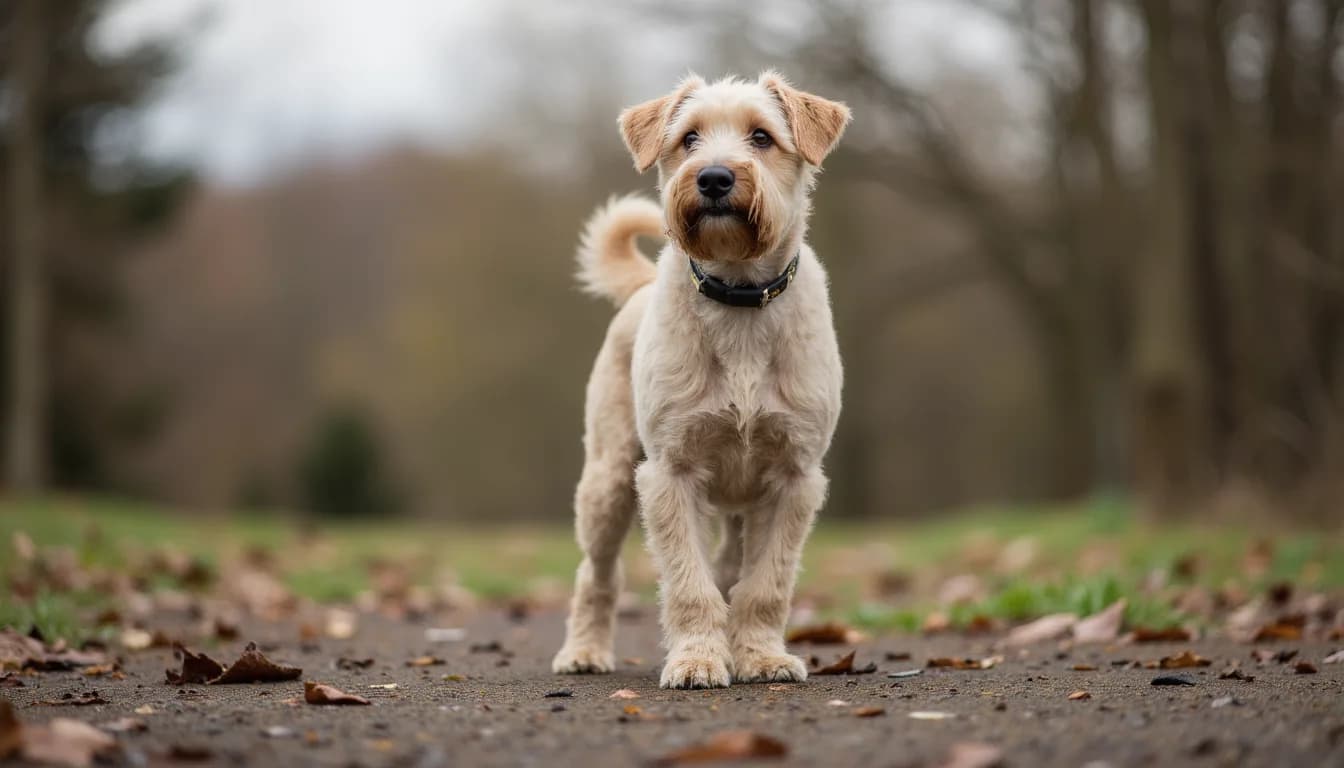
Soft Coated Wheaten Terrier Dog Breed: A Practical Guide for New Owners
Soft Coated Wheaten Terrier guide covering temperament, grooming, training, exercise, health, feeding, behavior, and owner suitability for Australian homes.
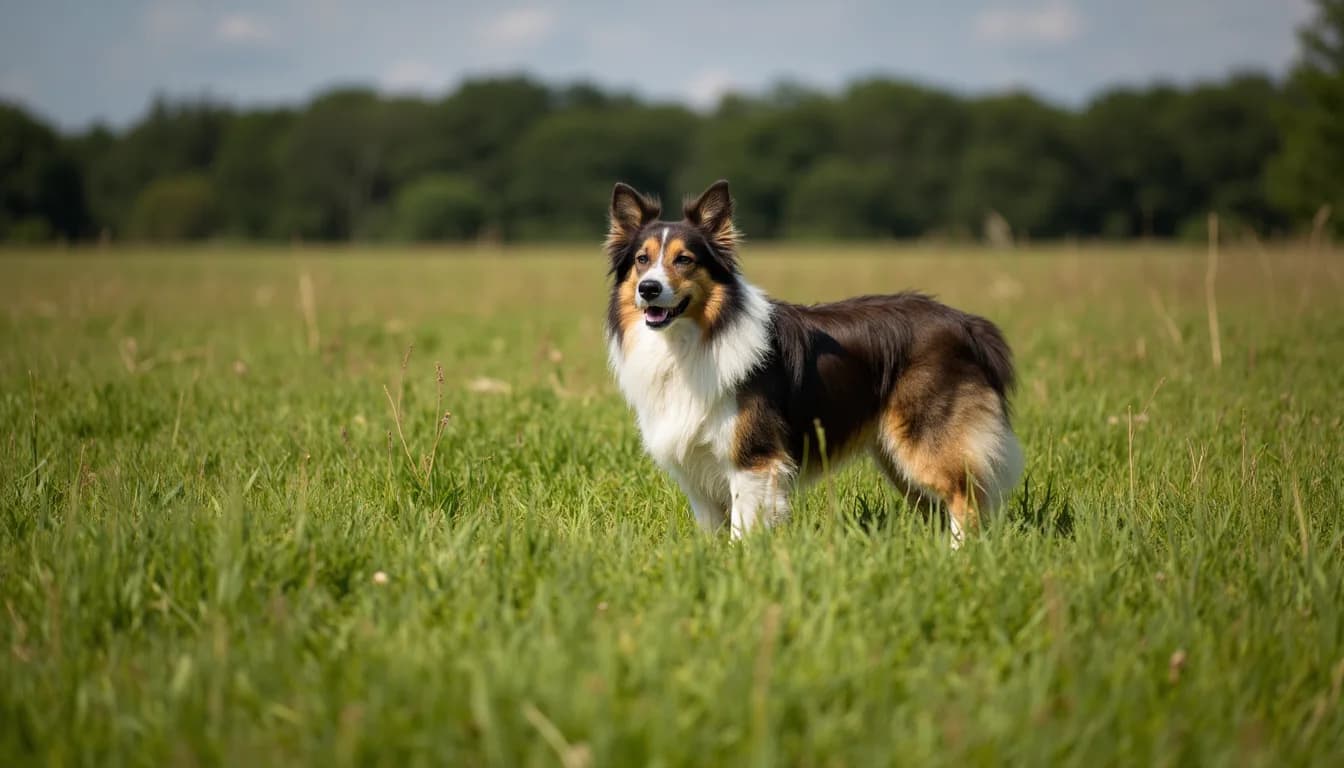
Shetland Sheepdog Dog Breed: Is This the Right Dog for You?
Discover if the Shetland Sheepdog is your perfect match. Learn about their bright intellect, loyal temperament, grooming needs, and essential care for this graceful breed.
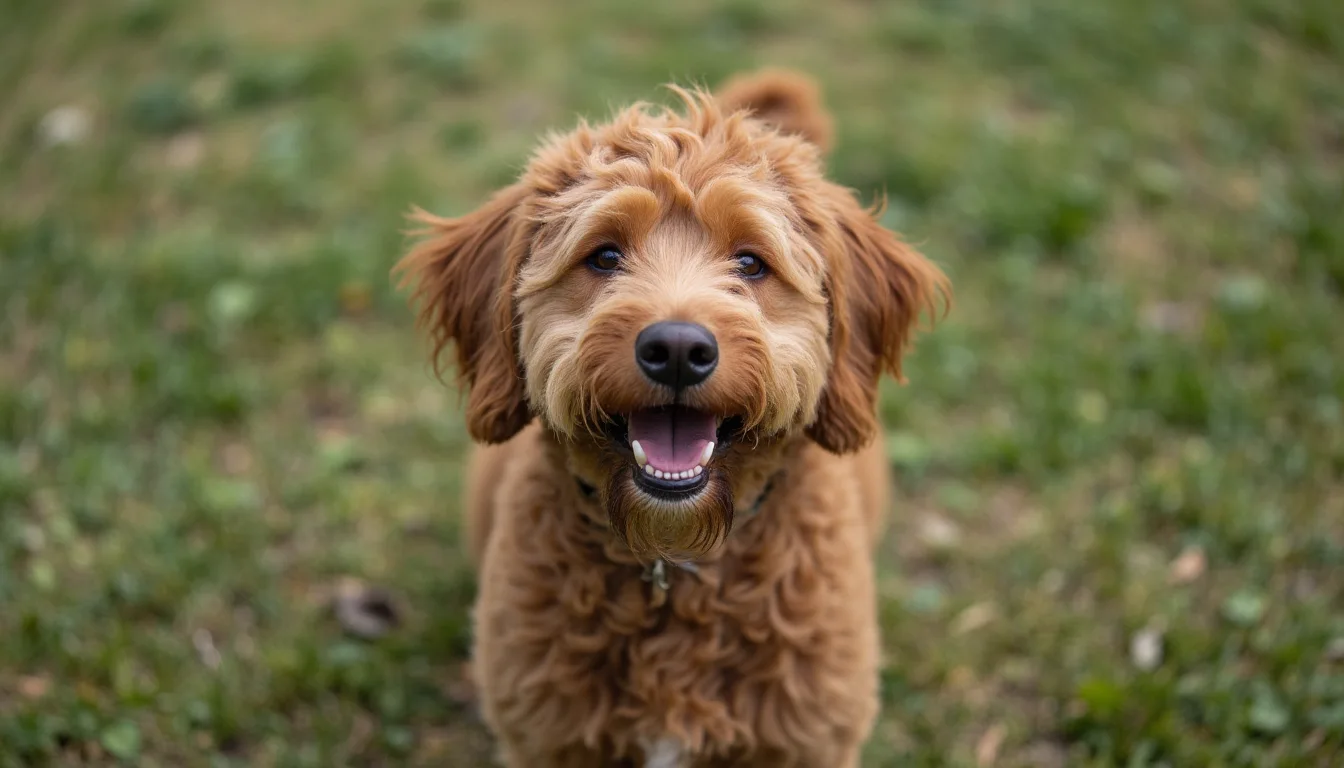
Groodle Dog Breed: A Practical Guide for New Owners
A hands-on Groodle guide for Australian owners covering temperament, grooming schedule, exercise routines, nutrition tips, and behavior support from puppyhood onward.