

The Persian cat, with its luxurious long coat and sweet, serene expression, is one of the world's most recognised feline breeds. Originating from longhaired cats associated with Persia and neighbouring regions, Persians have been admired for centuries as elegant indoor companions. They are known for a calm, gentle temperament and usually do best in quiet homes where routine, grooming, and comfort are taken seriously.
Their beauty, however, comes with real maintenance and health responsibilities. Daily coat care, careful weight management, and awareness of breed-linked breathing, eye, and kidney issues are all part of responsible ownership. This guide covers the Persian in practical detail so you can decide whether this regal breed is the right match for your home.
Quick Facts Overview
| Category | Description |
|---|---|
| Size Category | Medium to Large |
| Height & Weight | Usually around 3-5 kg, with a low, sturdy build |
| Coat Type & Colours | Long, thick, luxurious coat in many colours and patterns including solid, tabby, smoke, shaded, bi-colour, calico, and more |
| Energy Level | Low to Medium |
| Origin | Persia, with breed development later refined in Europe |
| Grooming Needs | High; daily brushing, regular bathing, and ongoing coat management |
| Temperament | Calm, gentle, sweet-natured, quiet, affectionate, sometimes reserved |
| Trainability | Low to Medium |
| Compatibility | Good with calm children and quiet pets; best in peaceful homes |
| Lifespan | 12-17 years |
| Vocalisation Level | Quiet |
Breed Origins and History
Key Facts
- Parent Background: Likely developed from longhaired cats associated with Persia, Turkey, and nearby regions rather than from one simple founding cross.
- Country of Origin: Historically linked to Persia, now modern-day Iran, with later refinement in Europe.
- Original Purpose: Valued as a luxurious companion cat and status symbol rather than as a working hunter.
- Recognition: One of the earliest established longhaired breeds in the cat fancy and long recognised by major registries.
Detailed History
The Persian's history is closely tied to the movement of exotic longhaired cats from the Middle East into Europe. By the 16th and 17th centuries, longhaired cats from Persia and surrounding regions had begun attracting attention among European aristocrats. Their flowing coats and calm demeanour quickly made them desirable companion animals rather than practical working cats.
In Victorian England, Persians became a defining show breed. Selective breeding intensified the features that made them visually distinctive: a massive coat, round head, large eyes, and eventually an increasingly flat face. That aesthetic focus helped create the modern Persian but also contributed to many of the breed's present-day health concerns, particularly those tied to brachycephalic facial structure.
Today, Persian cats remain globally popular, but the breed is also a case study in the trade-off between extreme appearance and functional health. That is why many prospective owners now pay close attention to whether a breeder prioritises healthier, less extreme "traditional" Persian traits or continues pushing exaggerated features.
Personality and Temperament

Overview
The Persian temperament is built around calm companionship. These are not usually hyperactive, highly demanding cats. Instead, they prefer predictable routines, quiet affection, and low-drama living. A well-socialised Persian is often deeply loyal to its family, content to stay nearby, nap in comfort, and join gentle interactions on its own terms.
That calmness can be a major strength for the right owner, but it also means Persians generally do not thrive in noisy, chaotic, or constantly changing environments. Their affection is often subtle rather than insistent. They are commonly devoted without being pushy.
Key Temperament Traits
- Affectionate yet Reserved: Loving with trusted people, but often more cautious or aloof with strangers.
- Playful yet Calm: They enjoy gentle bursts of play, especially with wand toys, but are not typically high-intensity athletes.
- Intelligent and Observant: Their intelligence often shows through quiet awareness rather than constant problem-solving antics.
- Social but Selective: They enjoy companionship, though many prefer a stable inner circle over constant novelty.
- Quietly Communicative: Persians are usually soft-voiced and polite rather than loudly demanding.
Potential Issues
- Stress Sensitivity: Sudden changes, loud households, and erratic routines may make them anxious.
- Mild Separation Stress: Some can become withdrawn if left alone too often without routine and comfort.
- Territorial Discomfort: In multi-pet homes they may become possessive of safe resting spots if they feel crowded.
- Low-Stimulation Weight Gain: Their calm nature can slide into inactivity if enrichment is neglected.
Suitability
Persians are an especially good match for singles, couples, seniors, and quiet families with respectful older children. They are usually less suited to highly active homes with very young children, constant noise, or energetic roughhousing. Their contained activity level also makes them excellent apartment cats, provided grooming and environmental comfort are handled properly.
Trainability and Intelligence
Overview
Persian cats are intelligent, but their trainability is usually shaped by mood, comfort, and motivation. They are not typically driven by performance or eager obedience. Instead, training works best when it feels gentle, rewarding, and directly useful to them. The goal with a Persian is usually practical cooperation rather than flashy trick performance.
Trainability Traits Comparison
| Trait | Rating | Notes |
|---|---|---|
| Obedience | Low to Medium | Persians often cooperate rather than obey automatically. |
| Responsiveness | Medium | They can respond well to calm, consistent cues and rewards. |
| Focus | Medium | Best in short, low-pressure sessions. |
| Social Learning | Low to Medium | Many learn through repetition and comfort more than mimicry. |
Recommended Training Methods
- Positive Reinforcement: Use small high-value treats, praise, and gentle petting.
- Clicker Training: Useful for precise timing when teaching handling tolerance or simple behaviours.
- Consistency and Patience: Two to five minute sessions usually work better than long efforts.
- Environmental Management: Set up the home so the desired behaviour is easy and rewarding.
Suitable Activities
- Grooming cooperation and handling practice.
- Litter habits and household manners.
- Simple trick work or target training for mental engagement.
- Puzzle feeder routines.
Training Tools and Gear
- Small, high-value treats.
- Clicker.
- Stable scratching surfaces.
- Gentle interactive toys.
Exercise and Activity Requirements
Daily Requirements
Persians have low to moderate exercise needs, but they still require daily movement and mental stimulation to stay healthy. Aim for around 15-20 minutes of active interactive play across one or two short sessions, plus puzzle feeders or simple enrichment tasks.
Recommended Activities
- Interactive toy play: Wand toys and soft chase games that mimic slow hunting.
- Puzzle feeders: Excellent for mental stimulation and reducing boredom.
- Climbing and vertical space: Cat trees and window perches let them observe their surroundings without frantic activity.
- Hide-and-seek treat games: A low-intensity way to encourage curiosity.
- Secure outdoor enrichment: A catio can be useful if weather and heat are controlled carefully.
Activity Recommendations
Focus on quality rather than intensity. Persians are not usually looking for constant exercise, but they still benefit from a routine that includes gentle daily play, observation points, and mental engagement. Avoid forcing activity in hot weather, especially in flatter-faced individuals who may already struggle with breathing efficiency.
Recommended Gear
- Stable cat tree with broad platforms.
- Wand toys with soft attachments.
- Puzzle feeders.
- Comfortable window perch.
Physical Characteristics
Typical Features
- Body Type: Cobby, broad, and substantial with a short back and sturdy frame.
- Head and Face: Round head, full cheeks, and a short muzzle. Some lines are more extreme than others in facial flattening.
- Eyes: Large, round, and expressive, with colour linked to coat genetics.
- Ears: Small, rounded, and set low and wide apart.
- Coat: Long, thick, flowing, and extremely dense, with a heavy ruff and full hindquarter furnishings.
- Shedding Level: Very high due to the dense undercoat and year-round grooming burden.
- Distinctive Traits: The flat face, round expression, and luxurious coat are the most recognisable hallmarks.
Size Variations
Most adult Persians weigh roughly 3-5 kg, though males are often heavier than females. Their sturdy, compact structure makes them feel substantial even when they are not especially tall.
Living Environment Suitability
Adaptability
Persians are highly suited to indoor life and generally should be considered indoor-only cats. Their coat, facial structure, and gentle temperament all make them poorly suited to unsupervised outdoor living.
Ideal Conditions
- Apartment Living: Excellent, especially in quiet homes.
- Houses: Also suitable, particularly if indoor comfort and calm routines are prioritised.
- Indoor-Only: Strongly recommended for safety, hygiene, and heat control.
- Space Requirements: They do not need huge amounts of floor space, but they do benefit from vertical territory and secure resting areas.
- Climate Sensitivity: Heat can be a serious issue, particularly in flatter-faced Persians. Cool indoor conditions are important in warm weather.
- Need for Vertical Space: Still important, though not necessarily in the form of very tall or athletic climbing structures.
Useful Products
- Tall but stable cat tree.
- Window perches.
- Cooling mat or air-conditioned resting areas in hot weather.
- Covered bed or retreat spaces.
- Air purifier for coat and dander management.
Grooming and Maintenance

Grooming Needs
The Persian's coat is a major commitment, not a decorative bonus. Without regular care, mats, skin irritation, discomfort, and hygiene problems develop quickly.
- Brushing Frequency: Daily is the practical standard. Use a slicker brush followed by a comb that reaches the undercoat.
- Bathing Requirements: Usually every 4-6 weeks, depending on coat condition and cleanliness.
- Professional Grooming: Often very helpful every few months, especially for owners who struggle with coat maintenance.
- Nail Trimming: Every 2-3 weeks.
- Ear Cleaning: Weekly checks, cleaning only as needed.
- Dental Care: Daily or near-daily brushing is ideal because dental disease is common.
- Eye Care: Daily wiping of the face and eye area is often necessary due to tear staining and facial folds.
Recommended Products
- High-quality slicker brush.
- Wide-tooth and fine-tooth combs.
- Gentle cat-safe shampoo.
- Eye wipes or soft damp cloths.
- Nail clippers or grinder.
- Cat toothbrush and toothpaste.
Common Health Issues
General Health
Persians can live long lives, but they are also one of the clearest examples of a breed where physical appearance and inherited health risks are closely connected. Responsible breeder selection and ongoing veterinary care matter enormously.
Potential Conditions
- Polycystic Kidney Disease (PKD): A major inherited disease in the breed. Responsible breeders should be screening breeding stock.
- Brachycephalic Airway Problems: Flat-faced Persians may struggle with noisy breathing, reduced heat tolerance, and exercise intolerance.
- Eye Problems: Tear overflow, irritation, entropion, and corneal damage can occur more easily because of facial structure.
- Dental Disease: Jaw shape and crowding can contribute to periodontal issues.
- Hypertrophic Cardiomyopathy (HCM): A relevant heart disease risk seen across many cat breeds, including Persians.
- Obesity: A major preventable problem in a low-activity breed.
- Hairball Burden: Their heavy coat increases swallowed hair and grooming-related digestive issues.
Preventive Care
- Ask breeders about PKD and other health screening history.
- Keep up with regular veterinary exams.
- Monitor breathing comfort, especially in hot weather.
- Keep body condition lean through measured feeding.
- Use preventive parasite care and standard vaccination guidance from your veterinarian.
- Investigate changes in appetite, activity, eyes, breathing, or grooming habits early.
Health Support
Weight control, hydration support, coat care, and good climate management go a long way in supporting Persian health. In high-risk cats, your veterinarian may also recommend more targeted monitoring for kidneys, heart, or airway function.
Diet and Feeding Guidelines
Feeding Recommendations
- Meal Frequency: Adults usually do well on 2-3 measured meals daily.
- Portion Sizes: Start with food guidelines, then adjust based on body condition and activity.
- Wet vs Dry Food: Wet food is strongly useful for hydration and kidney support, though a mixed approach can work well.
- Special Dietary Considerations: Some Persians benefit from hairball-management support or body-weight control formulas.
- Hydration: Fresh water should always be available, and many cats drink better from fountains.
Nutritional Considerations
- Prioritise high-quality animal protein.
- Avoid excessive filler-heavy diets where possible.
- Keep treats below about 10% of total daily calories.
- Avoid onions, garlic, chocolate, grapes, raisins, xylitol, and routine table scraps.
Helpful Accessories
- Shallow ceramic or stainless steel bowls.
- Water fountain.
- Portion-control tools or a kitchen scale.
- Puzzle feeders and slow-feed bowls.
Compatibility with People and Other Pets

Social Adaptability
Persians are social in a quiet, non-confrontational way. They often form strong bonds with their main caregivers but are not usually the sort of cat that wants constant handling from everyone in the room.
Compatibility Overview
- Children: Best with older, gentle children who understand calm interaction.
- Other Cats: Can do well with calm resident cats if introductions are slow and respectful.
- Dogs: Possible with quiet, cat-friendly dogs, but high-energy dogs are often too stressful.
- Other Pets: Small prey animals should be treated cautiously.
- Strangers: Often reserved or watchful rather than immediately friendly.
- Singles and Seniors: Often an ideal match for quieter lifestyles.
Recommended Products
- Pheromone diffusers during introductions.
- Separate resources in multi-pet homes.
- Tall cat trees or shelves for safe retreat routes.
Behavioural Issues and Management
Common Challenges
- Stress-Based Withdrawal: Hiding or disengaging in loud, unstable homes.
- Litter Box Avoidance: Often linked to stress, dirty litter, poor box placement, or medical issues.
- Furniture Scratching: A normal behaviour if appropriate alternatives are missing.
- Anxiety Behaviours: Over-grooming, appetite changes, or retreating when routines break down.
- Low Engagement and Weight Gain: A common problem when calm temperament is mistaken for not needing enrichment.
Management Solutions
- Keep routines stable and predictable.
- Provide daily low-intensity enrichment and play.
- Maintain very high litter box hygiene.
- Offer safe retreats and vertical observation points.
- Keep grooming consistent so the cat is not living with coat discomfort.
- Rule out medical causes first if behaviour changes suddenly.
Prevention Tips
Early gentle socialisation, a stable indoor routine, daily coat care, and enough low-pressure enrichment are the best foundations for good Persian behaviour and welfare.
FAQs: Persian Cat Breed
Are Persian cats hypoallergenic?
No. Persians are not hypoallergenic, and their heavy coat can actually spread dander and trapped allergens more easily around the home.
Do Persian cats get along with dogs?
They can, but it depends heavily on the dog's temperament. Calm, cat-friendly dogs are far more suitable than noisy or chase-driven dogs.
How much do Persian cats shed?
A lot. Their dense long coat sheds year-round and often more heavily during seasonal changes, which is why daily grooming matters so much.
Are Persian cats suitable for first-time cat owners?
They can be, but only for first-time owners who are realistic about the grooming burden, health monitoring, and likely veterinary costs associated with the breed.
Do Persian cats require a lot of attention?
They usually want calm, reliable companionship rather than nonstop activity. In that sense they need quality attention and routine more than constant entertainment.
How vocal are Persian cats?
Persians are generally very quiet. A suddenly vocal Persian may be signalling stress, discomfort, or illness rather than simple personality.
What is the price range for a Persian cat?
Pricing varies widely by breeder quality, health screening, colour, and location. Cats from reputable breeders are usually far more expensive than casually bred kittens because health testing and proper care add real cost.
Final Thoughts
Summary
The Persian cat is one of the clearest examples of a breed that offers extraordinary beauty and calm companionship in exchange for significant ongoing care. They are gentle, quiet, and deeply rewarding in the right home, but they are not a low-effort pet.
Ideal Owner Profile
The best Persian owner is patient, observant, financially prepared, and comfortable with a strong daily grooming routine. They value calm companionship more than nonstop play and can provide a peaceful indoor environment with reliable comfort and care.
Key Takeaway
If you want a serene, affectionate, long-haired companion and are prepared for the grooming, health, and environmental management the breed demands, the Persian can be an exceptional match. The crucial point is to choose responsibly and care consistently. With the right owner, a Persian is not just beautiful to look at, but deeply satisfying to live with.
Editorial Standards
This cat breed guide is reviewed for accuracy, readability, and practical usefulness for pet owners.
Content is reviewed against reputable veterinary and breed-care guidance before publication.
This content is educational and is not a substitute for veterinary diagnosis, treatment, or personalised medical advice.
Related Reads
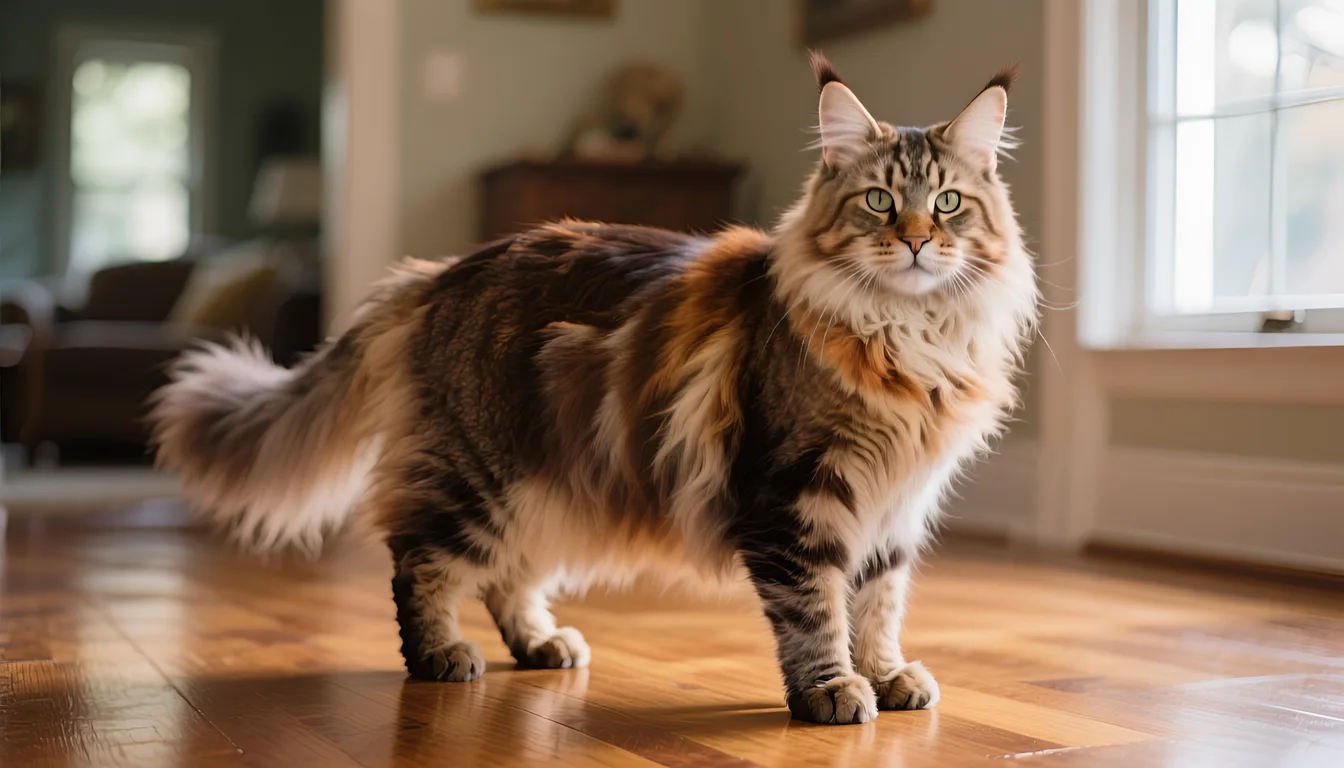
Maine Coon Cat Breed: Temperament, Grooming, Training & Care
Detailed Maine Coon cat breed guide covering temperament, size, grooming, exercise, health, feeding, and daily care for this gentle giant companion.
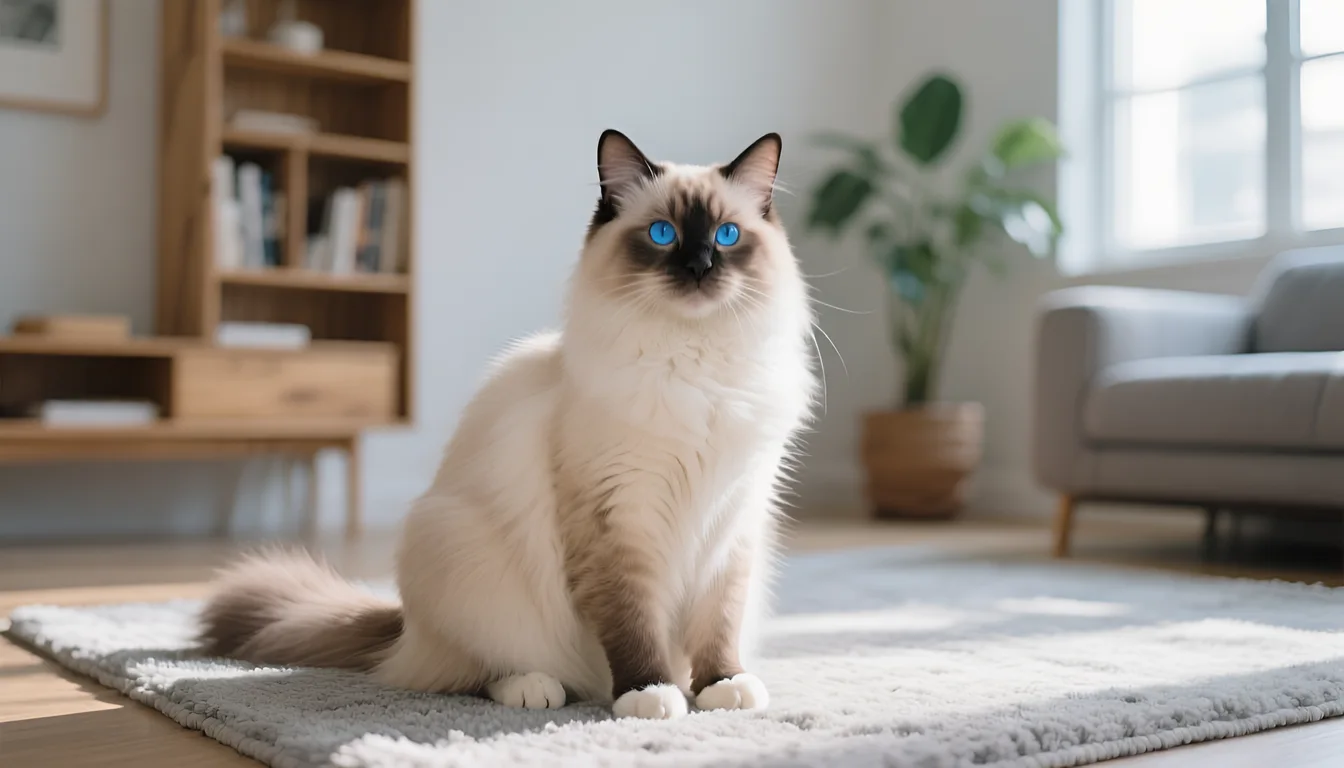
Ragdoll Cat Breed: Temperament, Grooming, Training & Care
Detailed Ragdoll cat breed guide covering temperament, grooming, training, health, feeding, and daily care for this calm, affectionate indoor companion.
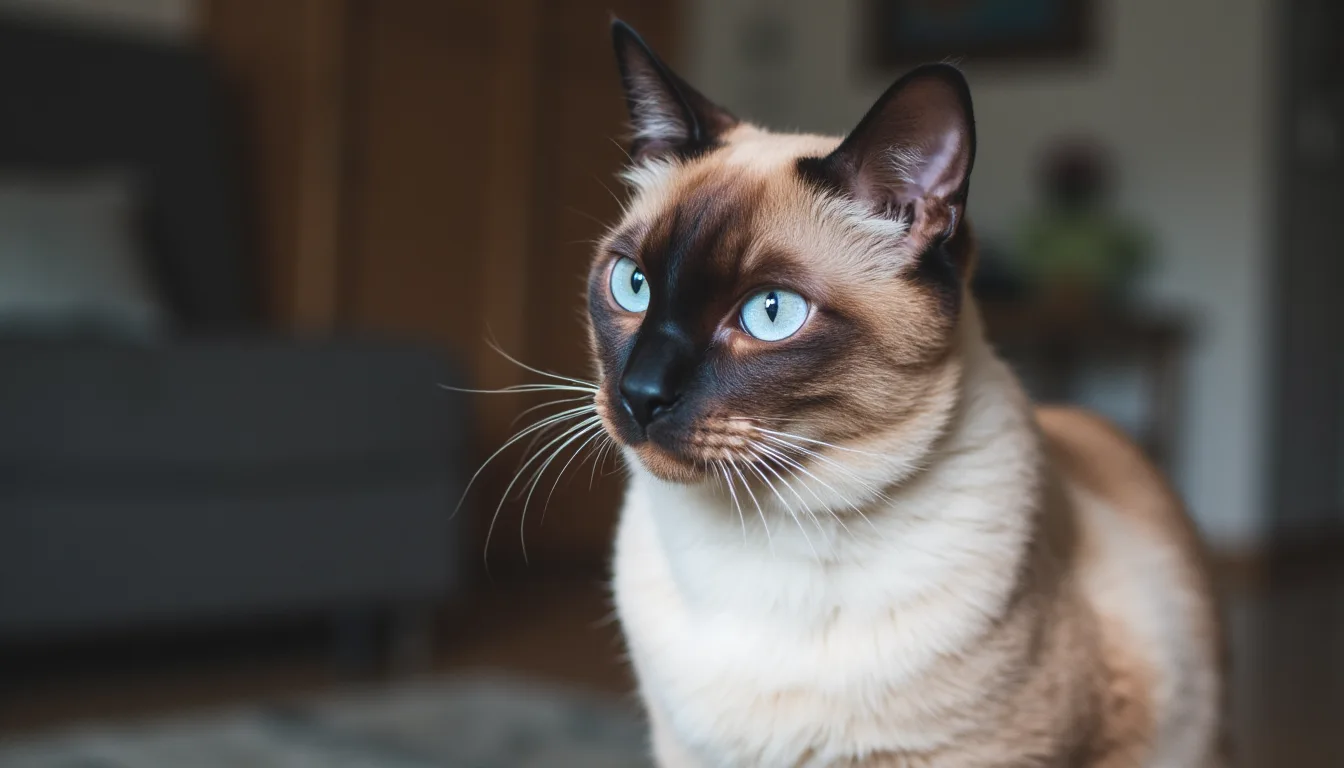
Siamese Cat Breed: Temperament, Grooming, Training & Care
In-depth Siamese cat breed guide covering temperament, vocal behaviour, exercise, training, health screening, feeding, and the type of home this demanding breed needs.