

The Ragdoll is one of the most recognisable companion cat breeds in the world. Large, blue-eyed, and famously gentle, it is often described as a "puppy-like" cat because of its tendency to follow people around the home and relax deeply when handled. Their calm personality, soft voice, and affectionate nature make them especially appealing to families and owners who want a placid, social indoor cat.
That calmness does not mean they are effortless pets. Ragdolls still need regular grooming, companionship, mental stimulation, and responsible breeder screening for inherited health conditions. This guide covers the breed in practical detail so you can decide whether a Ragdoll is the right fit for your home and routine.
Quick Facts Overview
| Attribute | Details |
|---|---|
| Size Category | Large |
| Height & Weight | Males are typically larger, often around 6-9 kg; females usually around 4-6 kg |
| Coat Type & Colours | Semi-long, silky coat in seal, blue, chocolate, lilac, red, cream and related point patterns such as colourpoint, mitted, bicolour, and van |
| Energy Level | Low to Medium |
| Origin | United States, specifically California |
| Grooming Needs | Medium to High; brushing two or three times weekly is usually needed |
| Temperament | Calm, affectionate, placid, people-oriented |
| Trainability | Medium to High |
| Compatibility | Excellent with children, other pets, and many household types |
| Lifespan | 12-17 years |
| Vocalization Level | Moderate, with a soft voice |
Breed Origins and History
Key Facts
- Parent Breeds: Developed from domestic longhaired cats, with various theories about additional influence in early lines.
- Country of Origin: United States, especially Riverside, California.
- Original Purpose: Selectively bred for a striking appearance and a notably gentle, relaxed temperament.
- Recognition: Later accepted by major registries such as CFA and TICA after earlier controversy around the breed's development.
Detailed History
The Ragdoll is a relatively modern breed that began in the 1960s with breeder Ann Baker in California. Her foundation cat, Josephine, was a white longhaired female whose kittens were said to show an unusually relaxed response when picked up. Whether every part of the early story is perfectly documented or not, the defining goal of the breed became clear: large, blue-eyed, pointed cats with an exceptionally gentle, companion-oriented personality.
Early development was controversial because Ann Baker established restrictive breeding rules and promoted the breed through an unusual, proprietary system. Later breeders worked outside that framework to standardise the breed in a more conventional way and bring it into major cat registries. Over time, the Ragdoll became one of the world's most popular companion breeds, valued for its placid nature as much as its appearance.
Personality and Temperament

Overview
The defining trait of the Ragdoll is its calm, affectionate disposition. Many Ragdolls are deeply people-focused, often following their owners from room to room, greeting them at the door, and relaxing heavily in their arms or on their lap. This is one of the reasons they are often called "puppy-like" cats.
They are usually gentle rather than intense. Their energy level is low to moderate, and their play style is more relaxed than frantic. At the same time, they are not independent, aloof cats. Most do best in homes where companionship is consistent and where they are included in everyday life rather than ignored for long stretches.
Key Temperament Traits
- Affectionate: Often enjoy close physical contact and calm companionship.
- Playful but Calm: Many keep a kitten-like interest in play but prefer shorter, lower-intensity sessions.
- Intelligent and Observant: Learn routines quickly and engage well with puzzle toys and simple training.
- Highly Social: Usually bond strongly with family members and often adapt well to multi-pet households.
- Softly Vocal: Tend to communicate with sweet chirps or gentle meows rather than constant loud calling.
Potential Issues
- Separation Stress: Some become distressed if left alone too often.
- Attention-Seeking: Can become persistent if under-stimulated or lonely.
- Stress Grooming: Over-grooming may occur in anxious individuals.
Suitability
Ragdolls are an excellent fit for families, singles, seniors, first-time owners, and multi-pet homes. They are particularly well suited to homes where someone is present often and where daily interaction is part of the routine. Their gentle temperament also makes them a strong match for respectful children.
Trainability and Intelligence
Overview
Ragdolls are intelligent and usually easier to train than many more independent cat breeds. Their calm nature and willingness to engage with humans make positive reinforcement especially effective. They are not usually stubborn for the sake of it, which makes them a good choice for owners interested in practical training.
Trainability Traits
- Litter Box Training: Usually very easy with a clean setup and stable routine.
- Learning Tricks and Commands: Many can learn cues such as "come," "sit," target work, and fetch-style play.
- Leash Training: Often possible if harness training starts gradually and positively.
- Clicker Training: Works well because they respond clearly to reward-based communication.
- Puzzle Solving: Enjoy food puzzles and toy-based challenges that use their curiosity without demanding frantic physical effort.
Recommended Training Methods
Positive reinforcement is essential. Use treats, praise, and play as rewards. Avoid punishment, as sensitive cats may become withdrawn or confused rather than more compliant. Keep sessions short, fun, and consistent.
Suitable Activities
- Five to ten minute trick sessions.
- Simple indoor agility routes.
- Interactive puzzle feeders.
- Harness walks in quiet, safe areas.
Exercise and Activity Requirements

Daily Requirements
Ragdolls are not hyperactive, but they still need regular movement and mental stimulation.
- Physical Activity: Around 15-30 minutes of active play daily.
- Play Sessions: Usually best split into two or three shorter sessions.
- Mental Stimulation: Daily enrichment through puzzle toys, treat balls, toy rotation, and gentle problem-solving games.
Recommended Activities
- Interactive toy play: Wand toys that mimic prey movement are usually a favourite.
- Climbing and vertical space: They enjoy cat trees and high perches, but the structures should be sturdy enough for a large cat.
- Puzzle feeders: Excellent for slowing eating and preventing boredom.
- Hide and seek: Hiding treats or toys provides easy indoor enrichment.
- Supervised outdoor time: A secure catio or harness walk can be a useful extra outlet.
Activity Summary
Quality matters more than raw intensity. Ragdolls usually prefer engaging, gentle activities over chaotic bursts of solo exercise. Without enough stimulation they may become sedentary, overweight, or overly dependent on owner attention.
Recommended Gear
- Sturdy, wide cat tree.
- Wand toys with feather or fur attachments.
- Puzzle feeders.
- Secure harness and leash if outdoor training is planned.
Physical Characteristics
Typical Features
- Body Type: Large, substantial, and muscular with slow maturation, sometimes taking several years to reach full size.
- Head Shape: Broad modified wedge with rounded contours.
- Eyes: Large, oval, and always blue.
- Ears: Medium-sized with rounded tips.
- Coat: Semi-long, silky coat with less dense undercoat than some longhaired breeds.
- Patterns and Colours: Commonly seen in seal, blue, chocolate, lilac, red, and cream with colourpoint, mitted, bicolour, or van patterns.
- Distinctive Traits: Large size, blue eyes, and a famously relaxed, floppy body language when comfortable.
Size Variations
- Males: Often around 6-9 kg.
- Females: Often around 4-6 kg.
- Maturity: Many do not fully mature until around 3-4 years.
Living Environment Suitability
Adaptability
Ragdolls are surprisingly adaptable to apartments and houses, provided their emotional and environmental needs are met. They do not need huge amounts of floor space, but they do need safe indoor territory, predictable companionship, and access to comfortable resting spots.
Ideal Conditions
- Apartment Living: Excellent because of their calm temperament and moderate exercise needs.
- Houses: Also very suitable, especially when there is extra space for cat trees and quiet retreat areas.
- Indoor-Only: Strongly recommended. Their trusting, non-aggressive nature makes them poorly suited to outdoor risks.
- Space Requirements: Moderate. Vertical space matters more than endless running room.
- Climate Tolerance: Their coat can make them uncomfortable in extreme heat, so cool indoor conditions matter.
Useful Products
- Strong cat trees and shelves.
- Window perches.
- Enrichment rotation system.
- Secure catio if available.
Grooming and Maintenance
Grooming Needs
Ragdolls are easier to groom than some longhaired cats because their coat tends to be silky rather than heavily woolly, but regular brushing still matters.
- Brushing: Two or three times weekly is usually a realistic standard.
- Bathing: Rarely needed if coat care is kept up, though occasional baths may help during shedding or if the cat gets dirty.
- Professional Grooming: Optional, but useful during heavy seasonal shedding.
- Nail Trimming: Every 2-3 weeks.
- Ear Cleaning: Weekly checks, with cleaning only when needed.
- Dental Care: Daily brushing is ideal, though several times weekly is still worthwhile.
- Eye Care: Usually minimal, though occasional wiping of discharge is fine.
Recommended Products
- Slicker brush or wide-tooth comb.
- Cat nail clippers.
- Cat-safe dental kit.
- Grooming wipes for quick coat refreshing.
Common Health Issues

General Health
Ragdolls are generally considered a healthy and robust breed, but like all pedigreed cats they have some inherited risks that owners should take seriously.
Potential Conditions
- Hypertrophic Cardiomyopathy (HCM): The most important inherited health concern in the breed.
- Polycystic Kidney Disease (PKD): Less central than in some breeds, but still worth breeder screening awareness.
- Obesity: A major preventable issue because their calm temperament can lead to inactivity and overeating.
- Dental Disease: Routine oral care is important for long-term health.
- Urinary Issues: Good hydration and early monitoring matter.
Preventive Care
- Ask breeders about HCM and other relevant screening history.
- Keep up with regular veterinary checks.
- Follow vaccination and parasite-prevention advice from your veterinarian.
- Monitor weight and body condition consistently.
Health Support
- Use high-quality, age-appropriate nutrition.
- Support hydration with wet food and fresh water access.
- Consider supplements only with veterinary guidance.
- Watch for changes in breathing, appetite, energy, or urination.
Diet and Feeding Guidelines
Feeding Recommendations
- Meal Frequency: Kittens often need 3-4 meals, adults usually do well on 2, and some seniors benefit from 2-3 smaller meals.
- Portion Sizes: Start from package guidance, then adjust based on body condition and activity.
- Wet vs. Dry Food: Wet food is strongly useful for hydration and urinary support, while dry food can still be used strategically in puzzle feeders.
- Special Dietary Considerations: Weight management matters because large, calm cats can gain fat easily.
- Hydration: Fresh water and a fountain are often helpful.
Nutritional Considerations
- Prioritise high-quality animal protein.
- Avoid excessive treat feeding.
- Avoid onions, garlic, chocolate, grapes, raisins, xylitol, and routine table scraps.
- Keep treats below roughly 10% of daily calories.
Helpful Accessories
- Puzzle feeders or slow feeders.
- Wide ceramic or stainless steel bowls.
- Water fountain.
- Measuring scoop or scale for portions.
Compatibility with People and Other Pets
Social Adaptability
Ragdolls are one of the most socially adaptable cat breeds. They usually coexist peacefully with many household members and are often remarkably tolerant, provided introductions and handling are respectful.
Compatibility Overview
- Children: Usually excellent with respectful children and patient family interaction.
- Other Cats: Commonly very good with proper introductions.
- Dogs: Often compatible with calm, cat-friendly dogs.
- Other Pets: Supervision is still necessary around small animals.
- Strangers: Often accepting, polite, or mildly curious rather than highly fearful.
- Singles and Seniors: A strong match because of their gentle companionship.
Behavioural Issues and Management
Common Challenges
- Attention-Seeking Vocalization: Often linked to boredom, hunger, or wanting company.
- Scratching Furniture: A normal cat behaviour if suitable alternatives are missing.
- Litter Box Avoidance: Can signal medical issues, stress, or poor box setup.
- Mild Separation Anxiety: More common in socially dependent individuals.
- Night-Time Zoomies: Can happen if the cat has not had enough structured play during the day.
Management Solutions
- Redirect scratching to posts and reward correct use.
- Keep litter boxes clean, accessible, and adequate in number.
- Build in daily play and enrichment.
- Use puzzle feeders and predictable routines.
- Check medical causes first if behaviour changes suddenly.
Prevention Tips
Early socialisation, calm handling, regular play, and stable routines go a long way in preventing common Ragdoll behaviour issues.
FAQs: Ragdoll Cat Breed
Are Ragdoll cats hypoallergenic?
No. Ragdolls are not hypoallergenic and still produce the allergens that trigger most cat allergies.
Do Ragdoll cats get along with dogs?
Usually yes, especially when the dog is calm and cat-friendly and introductions are gradual.
How much do Ragdoll cats shed?
They are moderate shedders, with more noticeable shedding during seasonal transitions. Regular brushing helps control loose hair.
Are Ragdoll cats suitable for first-time cat owners?
Yes, often. Their gentle temperament and predictability make them one of the more approachable breeds for first-time owners, provided the owner is ready for grooming and companionship needs.
Do Ragdoll cats require a lot of attention?
Yes, they usually do best with consistent companionship and daily interaction rather than long stretches of isolation.
How vocal are Ragdoll cats?
They are usually moderately vocal with a soft, sweet voice rather than loud, constant calling.
What is the price range for a Ragdoll kitten?
Pricing varies a lot by breeder quality, bloodline, location, and health screening standards. Kittens from reputable breeders are usually significantly more expensive than casually bred litters because proper breeding and testing add real cost.
Final Thoughts
The Ragdoll is one of the clearest examples of a companion breed built around gentleness. Their blue eyes, large size, silky coat, and deeply affectionate temperament make them an exceptionally appealing indoor cat for many homes.
They are not difficult in the sense of high chaos or behavioural intensity, but they are not low-commitment either. They need grooming, companionship, and responsible breeder selection, especially around inherited heart health. For owners who want a calm, affectionate, people-focused cat and can meet those needs consistently, the Ragdoll is often an outstanding choice.
Editorial Standards
This cat breed guide is reviewed for accuracy, readability, and practical usefulness for pet owners.
Content is reviewed against reputable veterinary and breed-care guidance before publication.
This content is educational and is not a substitute for veterinary diagnosis, treatment, or personalised medical advice.
Related Reads
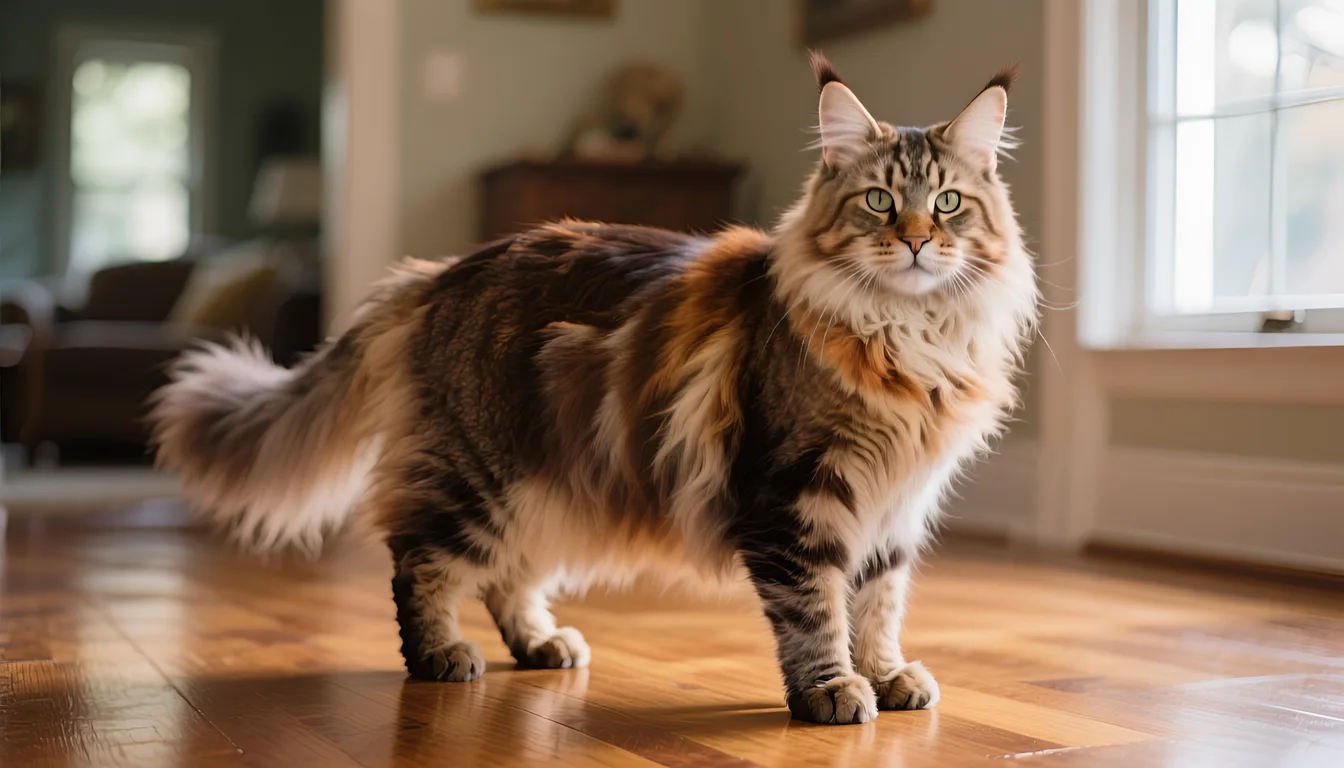
Maine Coon Cat Breed: Temperament, Grooming, Training & Care
Detailed Maine Coon cat breed guide covering temperament, size, grooming, exercise, health, feeding, and daily care for this gentle giant companion.
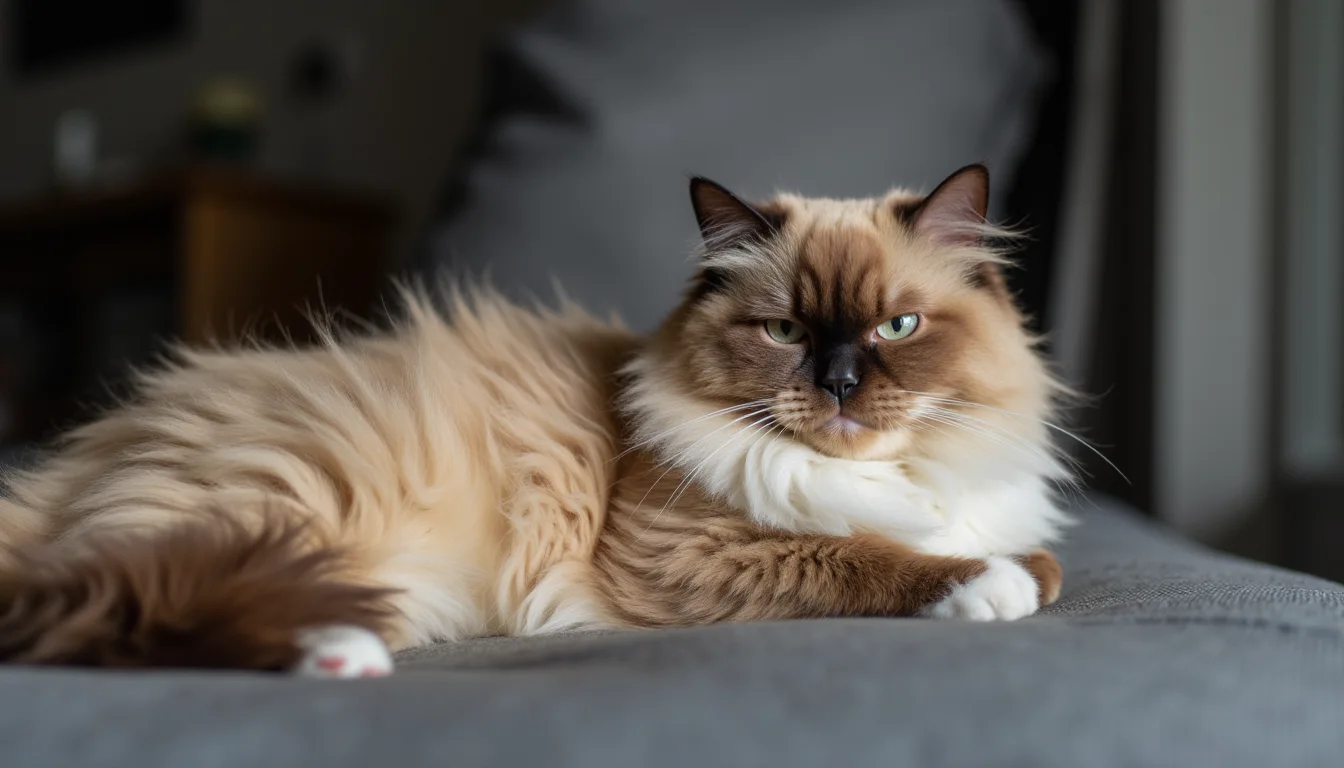
Persian Cat Breed: Temperament, Grooming, Training & Care
Detailed Persian cat breed guide covering temperament, grooming, exercise, health, feeding, and daily care for this calm, long-haired indoor companion.
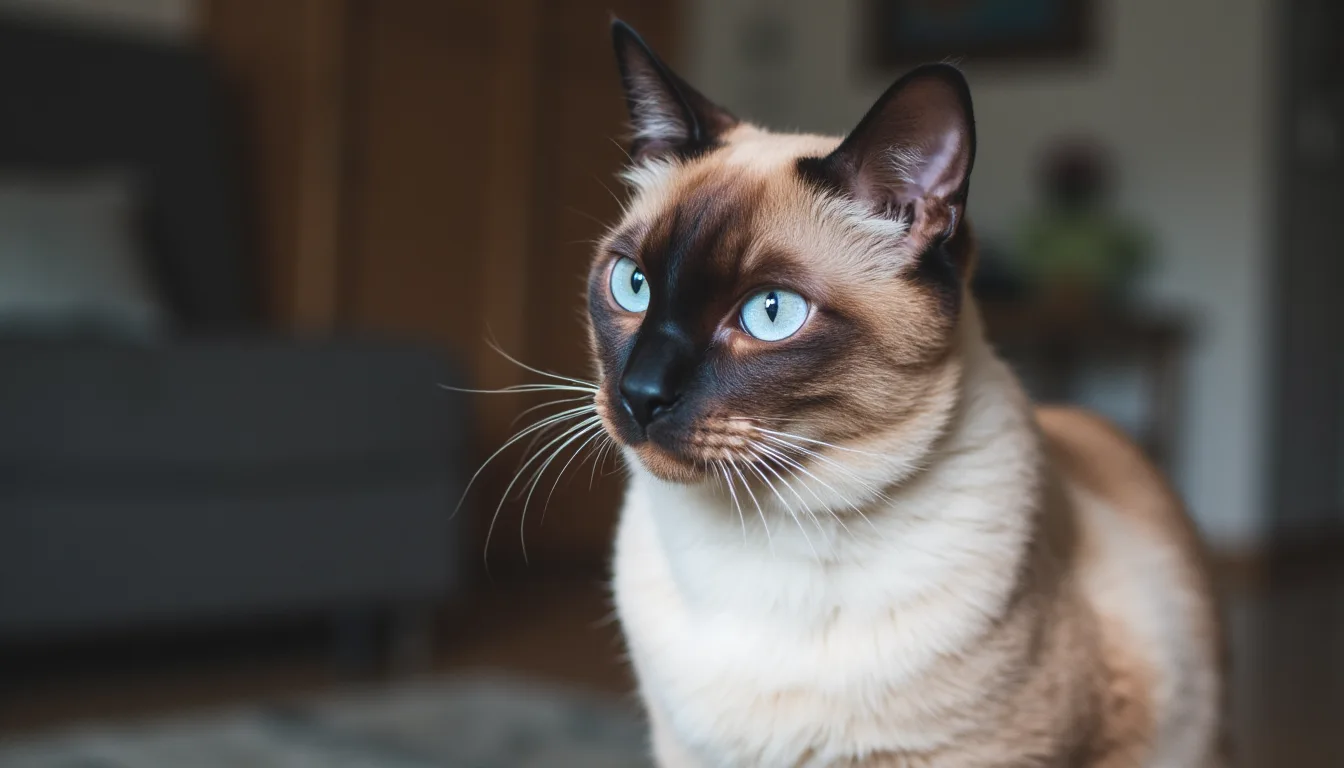
Siamese Cat Breed: Temperament, Grooming, Training & Care
In-depth Siamese cat breed guide covering temperament, vocal behaviour, exercise, training, health screening, feeding, and the type of home this demanding breed needs.