
 Good travel accessories do more than add convenience. They improve safety, reduce stress, and make transitions smoother for both pets and owners. This guide gives you a practical checklist you can use for short rides and long trips.
Quick Facts Overview
| Category | Detail |
|---|---|
| Primary Goal | Improve travel safety and comfort for pets |
| Best For | Car trips, flights, hotel stays, relocation days |
| Difficulty Level | Beginner |
| Planning Window | 1-7 days before travel |
| Core Essentials | Carrier/harness, ID, water kit, cleanup kit, comfort items |
| Safety Priority | Secure restraint at all times during transport |
| Stress Reduction Focus | Familiar scents, gradual acclimation, predictable breaks |
| Common Mistake | Testing gear for the first time on travel day |
| Trip Types Covered | Local, interstate, and longer-distance travel |
| Expected Outcome | Safer transit and calmer behavior during travel |
Start With Travel Type and Risk Level
Build your checklist around trip context:
- short local rides
- long road travel
- air travel and airport handling
- temporary hotel or family stays
Different trip types need different accessory priorities.
Carrier and Harness Selection Guide
- Carrier: airline-compliant or crash-conscious design with proper ventilation.
- Car harness: secure chest fit, strong tether attachment, non-retractable leash setup.
- Backup restraint: secondary safety clip for escape-prone pets.
Fit test all equipment before travel day.
Safety Setup for Car Travel
- secure carrier/harness position in vehicle
- no front-seat loose riding
- avoid head-out-window travel
- emergency contact tag and microchip update

A safe setup protects both pet and passengers.
Hydration and Feeding Accessories
Essential items:
- spill-resistant travel water bowl
- portable bottle or hydration flask
- measured food portions in sealed packs
- collapsible feeding bowl
Stick to normal feeding windows where possible.
Comfort and Anxiety-Reduction Tools
- familiar blanket or bed insert
- favorite chew/toy
- scent-familiar cloth from home
- optional vet-guided calming products
Comfort objects reduce transition stress.
Hygiene and Cleanup Kit
Pack a compact kit:
- waste bags
- wipes and absorbent towels
- spare liner/pad for carrier
- stain/odor cleaner travel bottle
Prepared cleanup prevents small incidents from becoming trip disruptions.
Documentation and Emergency Backup
Carry:
- vaccination and health records (as required)
- medication list and schedule
- clinic and emergency hospital contacts for destination
- recent clear pet photo for identification support

Documentation readiness matters, especially for border or airline requirements.
Accommodation-Friendly Accessory Planning
For hotels or rentals:
- portable feeding mat
- crate or foldable containment option
- door sign to prevent accidental escape
- low-noise enrichment toys
This helps your pet settle and protects property.
Common Travel Accessory Mistakes
- buying carrier based on looks, not fit/safety
- no acclimation training before trip
- under-packing hydration supplies
- forgetting backup leash or spare ID tag
- skipping destination emergency planning
Small prep details prevent major stress.
Pre-Trip Practice Routine
- day 1-3: carrier familiarity sessions
- day 4-5: short vehicle exposures
- day 6+: full setup rehearsal with breaks
Practice transforms accessories into trusted tools.
FAQs: Pet Travel Essentials Checklist
What is the most important travel accessory?
A correctly fitted secure restraint system (carrier or harness) is the top priority.
Should I feed right before travel?
Light timing adjustments often help, but follow your pet's tolerance and vet advice.
Do I need a separate travel ID tag?
Yes, include current mobile number and destination contact if possible.
How often should I stop on long drives?
Plan regular safe breaks for hydration, movement, and toilet needs.
Can I use my pet's home crate for travel?
Only if it is structurally suitable and safely secured for transport.
What if my pet is anxious in the car?
Use gradual desensitization and discuss additional support with your vet.
Is one checklist enough for every trip?
Use a core checklist plus trip-specific add-ons (flight, climate, length).

Travel-Day 15-Minute Final Check
- restraint fit confirmed
- water and food supplies packed
- meds and documents packed
- destination emergency contacts saved
- cleanup kit accessible, not buried
This final check prevents avoidable travel failures.
Final Thoughts
Pet travel is safest when accessory choices are practical, tested, and matched to your route. Focus on secure restraint, hydration access, and comfort continuity. With good preparation, trips become calmer and far more predictable for everyone involved.
Editorial Standards
This pet accessories guide is reviewed for accuracy, readability, and practical usefulness for pet owners.
Content is reviewed against reputable veterinary and breed-care guidance before publication.
This content is educational and is not a substitute for veterinary diagnosis, treatment, or personalised medical advice.
Related Reads
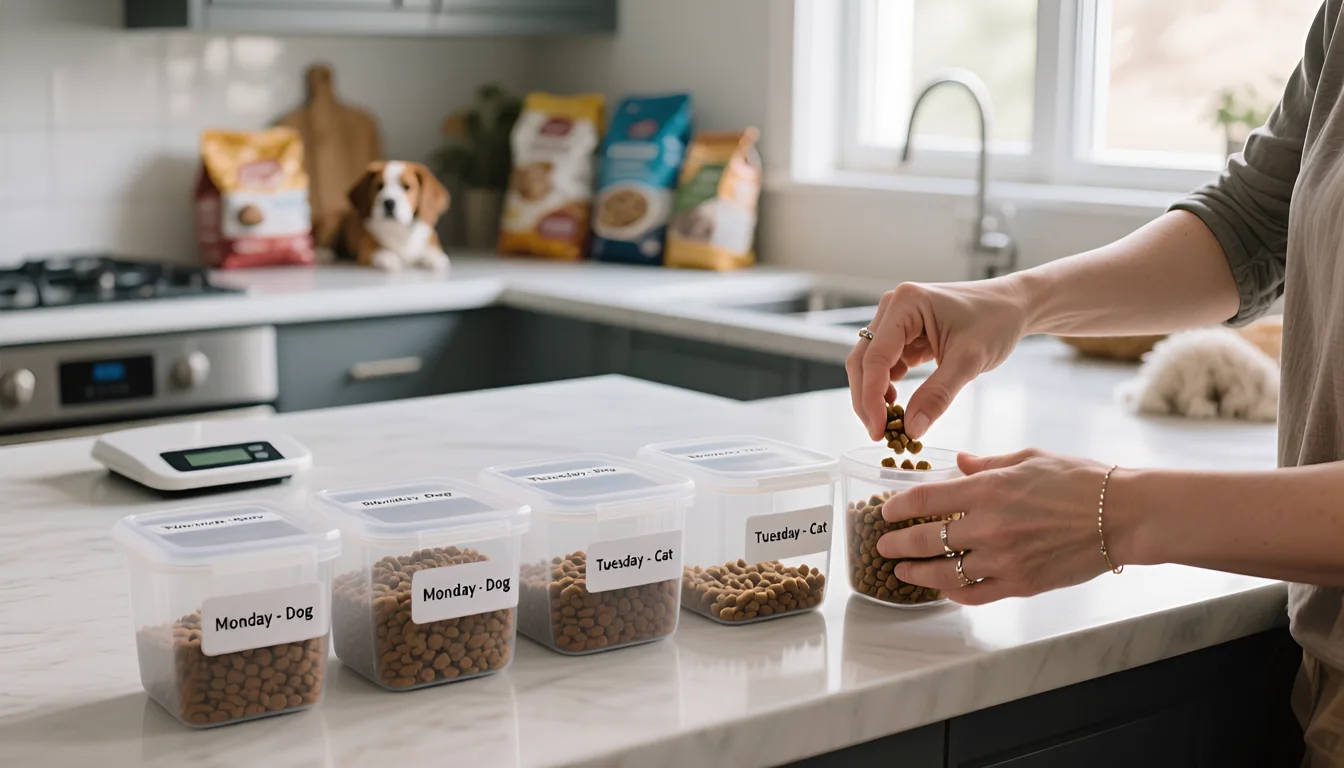
Meal Prep for Busy Pet Owners: A Weekly Feeding System
Build a simple weekly pet meal prep system with portioning, storage, and feeding routines that save time while keeping nutrition consistent and balanced.

Home Health Routine: Daily Checks Every Pet Parent Should Do
Use this daily pet health routine to spot early warning signs, reduce emergency risk, and support long-term wellness with practical at-home checks.

5-Minute Daily Training Plan for Better Pet Behaviour
Train your pet in 5-minute daily sessions using clear cues, reward timing, and consistency to improve focus, manners, and real-life behavior at home.