
 A strong home health routine helps you detect small changes before they become expensive emergencies. Most serious pet health issues start with subtle signs: slight appetite shifts, lower energy, altered stool, or behavior changes. This guide gives you a practical daily and weekly system for early detection and better long-term outcomes.
Quick Facts Overview
| Category | Detail |
|---|---|
| Primary Goal | Early detection of illness and faster veterinary intervention |
| Best For | Dog and cat owners at any experience level |
| Difficulty Level | Beginner |
| Daily Time Needed | 5-10 minutes |
| Weekly Time Needed | 15-20 minutes |
| Core Checks | Appetite, hydration, stool/urine, movement, skin/coat, behavior |
| Urgency Benefit | Helps distinguish monitor-at-home vs urgent vet needs |
| Tools Needed | Digital scale, notebook/app, thermometer (optional), flashlight |
| Review Frequency | Daily quick scan + weekly deep check + monthly trend review |
| Expected Outcome | Fewer missed warning signs and more confident care decisions |
Why a Daily Health Routine Matters
Pets cannot explain pain clearly. By the time symptoms are obvious, disease may already be advanced. A daily system builds “normal baseline awareness,” so you can detect early deviation faster.
Benefits include:
- earlier treatment windows
- lower emergency costs
- better recovery rates
- reduced stress for owners and pets
Consistency beats complexity.
The 60-Second Daily Health Scan
Use this same sequence every day:
- Appetite: finished meal as expected?
- Water intake: normal, increased, or reduced?
- Toilet output: stool/urine frequency and quality changes?
- Energy: playful, neutral, lethargic?
- Mobility: any stiffness, limping, hesitation to jump?
- Behavior: clingy, withdrawn, irritable, restless?
If two or more metrics shift together, start logging closely.
Weekly Deep Check Checklist
Once a week, run a more detailed review:
- Coat quality, flaking, unusual shedding, or greasy patches
- Ear odor/redness/discharge
- Oral health: breath, gum redness, tartar trend
- Paw/nail condition and pad integrity
- Body condition and weight trend
- Lumps/bumps or skin sensitivity changes

This weekly audit catches trends daily scans might miss.
Build Your Pet’s Personal Baseline
Record what “normal” looks like for your pet.
Track:
- resting behavior pattern
- meal completion pattern
- stool texture and schedule
- normal activity windows
- sleep and social interaction style
Without baseline context, it is harder to judge whether a symptom is mild or meaningful.
Red Flags You Should Not Ignore
Contact your vet promptly for:
- repeated vomiting/diarrhea
- sudden refusal to eat for 24 hours (or less in high-risk pets)
- breathing effort changes
- collapse, tremors, or disorientation
- painful urination or no urination
- persistent lethargy and marked behavior change
Emergency signs require immediate care, not watch-and-wait.
Home Care vs Vet Visit: Decision Guide
- Monitor at home (short-term): mild one-off symptom, normal hydration, stable behavior.
- Book same-day/next-day vet: symptom persists >24 hours, appetite drops, repeated GI signs.
- Emergency immediately: breathing distress, collapse, severe pain, neurologic signs, no urine output.
When unsure, call your clinic and ask triage guidance.
Build a Home Health Kit
Keep one dedicated kit ready:
- digital scale
- pet-safe thermometer (if trained and advised)
- wound saline and gauze
- tick remover
- vet-approved ear cleaner
- nail trimmer
- medication list + emergency contacts
Avoid self-prescribing human medicines.

Preventive Health Calendar You Can Follow
- Monthly: weight and body condition check
- Quarterly: routine wellness review and parasite product check
- Biannual/Annual: wellness exam (frequency depends on age/condition)
- As advised: vaccines, dental procedures, diagnostics by risk profile
Calendar-driven care prevents missed essentials.
Common Owner Mistakes
- waiting too long after repeated “mild” symptoms
- no written tracking (memory is unreliable)
- inconsistent medication timing
- skipping preventive dental and parasite routines
- assuming behavior change is “just aging” without evaluation
Most preventable setbacks start with delayed action.
Health Routine by Lifestyle Type
- Busy owners: automate reminders and use a 2-minute evening check script.
- Multi-pet homes: individual logs prevent symptom mix-ups.
- Senior pets: increase monitoring frequency and shorten response thresholds.
- Chronic-condition pets: weekly metrics should be non-negotiable.
Routine should match your household reality while staying consistent.
FAQs: Home Health Routine for Pet Parents
How often should I weigh my pet?
At least monthly for healthy adults; more often for weight plans or chronic conditions.
Is reduced appetite always urgent?
Not always, but appetite change paired with lethargy, vomiting, or behavior change is more concerning.
What stool changes matter most?
Persistent diarrhea, blood, black stool, mucus, or sudden frequency changes should be assessed.
Can I monitor breathing at home?
Yes. Resting breathing rate trends can be useful; sudden increase with effort is a red flag.
Should I wake my pet for checks?
No. Observe naturally during routine transitions to reduce stress and improve data quality.
What is the most useful thing to log daily?
Appetite, energy, toilet output, and behavior changes.
When should I escalate even if signs seem mild?
When a mild sign persists beyond 24 hours or appears with other abnormal signs.

Simple Daily/Weekly Template
- Daily: appetite, water, stool/urine, mobility, mood
- Weekly: ears, teeth, coat, paws, lumps, body condition
- Monthly: weight trend + routine update
Use a checklist app or printed tracker to stay consistent.
Final Thoughts
A home health routine is one of the most practical ways to improve your pet’s long-term quality of life. You do not need advanced tools—just consistency, observation, and quick escalation when patterns change. Small daily checks can prevent big medical crises later.
Editorial Standards
This pet health guide is reviewed for accuracy, readability, and practical usefulness for pet owners.
Content is reviewed against reputable veterinary and breed-care guidance before publication.
This content is educational and is not a substitute for veterinary diagnosis, treatment, or personalised medical advice.
Related Reads
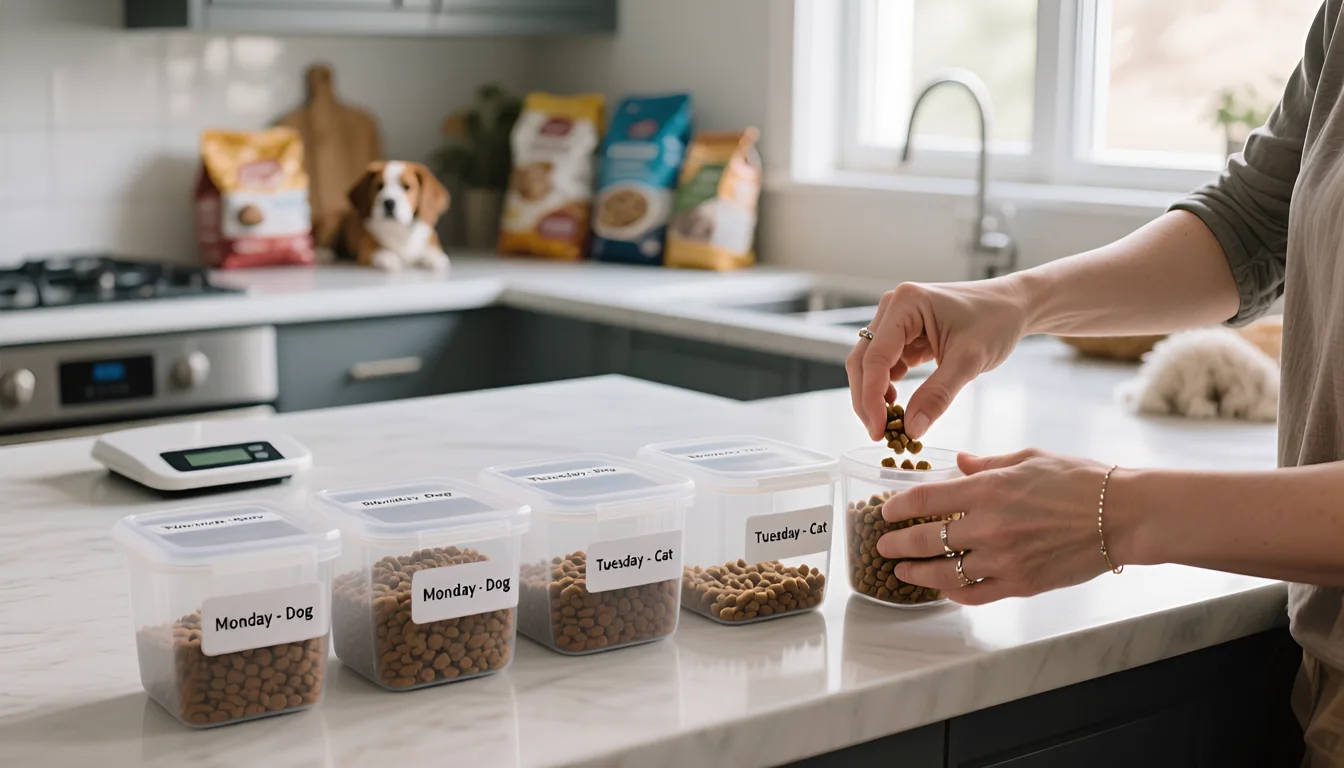
Meal Prep for Busy Pet Owners: A Weekly Feeding System
Build a simple weekly pet meal prep system with portioning, storage, and feeding routines that save time while keeping nutrition consistent and balanced.

5-Minute Daily Training Plan for Better Pet Behaviour
Train your pet in 5-minute daily sessions using clear cues, reward timing, and consistency to improve focus, manners, and real-life behavior at home.

Shedding Season Survival Guide for Dogs and Cats
Manage heavy shedding with this practical guide to brushing frequency, de-shedding tools, bathing strategy, and home cleanup routines that actually work.