
 Seasonal shedding can overwhelm even experienced pet owners. The goal is not to stop shedding completely, but to control loose fur, protect coat health, and keep your home manageable without over-grooming your pet.
Quick Facts Overview
| Category | Detail |
|---|---|
| Primary Goal | Reduce loose fur buildup while keeping skin and coat healthy |
| Best For | Double-coated and moderate-to-heavy shedding pets |
| Difficulty Level | Beginner |
| Peak Seasons | Spring and fall for many pets |
| Brushing Frequency | 2-7 times weekly based on coat type |
| Core Tools | Slicker brush, undercoat rake, comb, grooming mitt |
| Bathing Role | Helps release dead coat when timed correctly |
| Main Risk | Over-stripping coat or causing brush burn |
| Expected Results Window | 1-3 weeks with consistent routine |
| Home Benefit | Less airborne fur, cleaner furniture, fewer mats |
Why Shedding Increases Seasonally
Shedding often rises as daylight and temperature patterns change. Indoor climate control can extend or blur seasonal cycles, causing long shedding phases.
This is normal, but unmanaged shedding increases matting risk and skin irritation.
Identify Coat Type Before Choosing Tools
- Short single coat: grooming mitt + soft brush.
- Double coat: slicker + undercoat rake.
- Long coat: detangling comb + slicker sequence.
- Curly coats: controlled brushing to avoid breakage.
Tool-coat mismatch is the biggest reason grooming feels ineffective.
Brushing Routine by Shedding Intensity
During high-shed periods:
- short coats: 3-4 sessions weekly
- double coats: 4-7 sessions weekly
- long coats: frequent line brushing to prevent tangles

Use gentle pressure and stop at early irritation signs.
De-Shedding Techniques That Are Safe
- work in coat growth direction
- section coat for even coverage
- avoid repetitive scraping same area
- finish with smoothing pass to reduce static and flyaway fur
More force does not mean better results.
Bathing Strategy During Shed Season
A well-timed bath can release loose coat efficiently.
- use coat-appropriate shampoo
- rinse thoroughly
- dry completely before brushing
- brush after drying to remove released coat
Never leave dense undercoat damp for long periods.
Nutrition and Skin Barrier Support
Coat quality is linked to diet quality.
- maintain complete balanced feeding
- support hydration daily
- discuss omega-3 support with vet if skin is dry/flaky
Poor nutrition can worsen shed volume and coat brittleness.
Home Fur-Control System
Create a practical cleanup plan:
- vacuum high-traffic zones daily in peak weeks
- wash pet bedding frequently
- use washable throws on favorite furniture
- keep lint rollers in key areas

Grooming plus home routine gives the best result.
Warning Signs That Need Vet or Groomer Input
- bald patches
- redness or hot spots
- excessive scratching
- dull coat with skin odor
- sudden severe shed outside normal pattern
These can indicate skin or systemic issues beyond normal shedding.
Common Shedding Mistakes
- using harsh de-shedding tools daily
- skipping drying after baths
- brushing only top layer, not undercoat
- ignoring mat-prone friction zones
- changing products too often without tracking
Consistency with correct technique is the priority.
Weekly Shedding Checklist
- brush by coat-type schedule
- inspect skin and friction zones
- clean ears/paws as needed
- refresh bedding and grooming tools
- update shed intensity notes
Simple checklists prevent overwhelm.
FAQs: Shedding Season Survival Guide
Can I stop shedding completely?
No, but you can reduce loose fur and improve coat health significantly.
How often should I use an undercoat rake?
Usually a few times weekly during peak shed, not aggressively every day.
Do baths increase shedding?
They can release dead coat, which helps when paired with proper drying and brushing.
Is shaving a double coat a good solution?
Usually no, unless medically indicated by a vet.
Why is my pet shedding more indoors?
Artificial indoor climate and lighting can extend shedding cycles.
Can diet affect shedding intensity?
Yes, nutrition and hydration strongly influence skin and coat quality.
When should I book a professional groomer?
When coat load is heavy, matting starts, or home maintenance is not enough.

2-Week Shed Control Reset
- Days 1-3: tool check and baseline brushing map.
- Days 4-7: coat-type brushing schedule + bedding refresh.
- Days 8-10: bath and full dry-blow-brush cycle.
- Days 11-14: maintenance frequency tuning and skin check.
Repeat as needed through peak season.
Final Thoughts
Shedding season is manageable with the right tools, rhythm, and technique. Focus on consistent gentle brushing, strategic bathing, and simple home cleanup systems. Done well, your pet stays comfortable and your home stays far easier to maintain.
Editorial Standards
This pet grooming guide is reviewed for accuracy, readability, and practical usefulness for pet owners.
Content is reviewed against reputable veterinary and breed-care guidance before publication.
This content is educational and is not a substitute for veterinary diagnosis, treatment, or personalised medical advice.
Related Reads
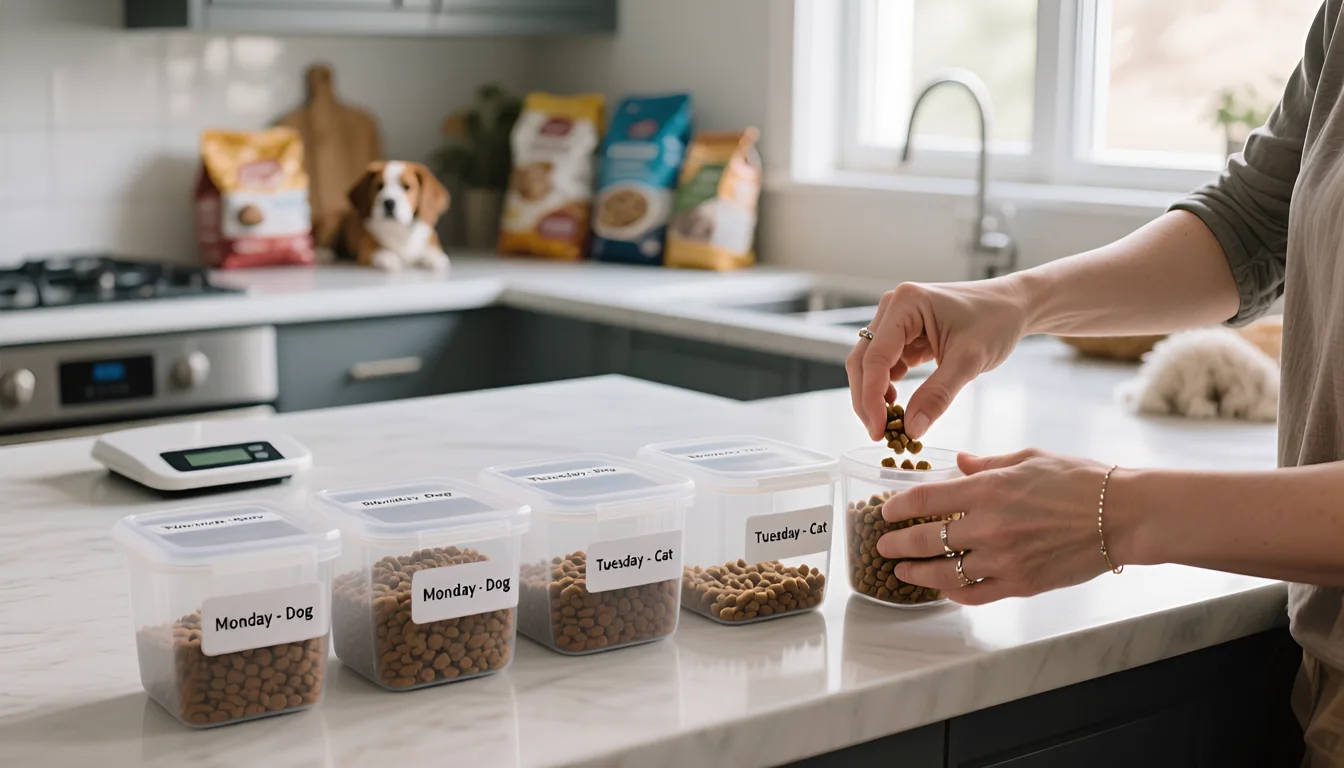
Meal Prep for Busy Pet Owners: A Weekly Feeding System
Build a simple weekly pet meal prep system with portioning, storage, and feeding routines that save time while keeping nutrition consistent and balanced.

Home Health Routine: Daily Checks Every Pet Parent Should Do
Use this daily pet health routine to spot early warning signs, reduce emergency risk, and support long-term wellness with practical at-home checks.

5-Minute Daily Training Plan for Better Pet Behaviour
Train your pet in 5-minute daily sessions using clear cues, reward timing, and consistency to improve focus, manners, and real-life behavior at home.