
 Finding the right pet service provider is about safety, consistency, and communication, not just convenience. Whether you need grooming, walking, daycare, boarding, or in-home sitting, a structured selection process reduces risk and improves outcomes for both pets and owners.
Quick Facts Overview
| Category | Detail |
|---|---|
| Primary Goal | Select safe, reliable, and pet-appropriate service providers |
| Best For | New pet owners, busy households, and owners changing providers |
| Difficulty Level | Beginner |
| Selection Timeline | 3-10 days for shortlist, interview, and trial |
| Core Criteria | Safety, communication, credentials, handling style, transparency |
| Services Covered | Grooming, walking, daycare, boarding, sitting, transport |
| Highest Risk if Skipped | Stress, injury, inconsistent care, poor emergency response |
| Verification Methods | References, trial session, facility review, policy review |
| Best Decision Tool | Weighted scorecard (safety > convenience > price) |
| Expected Outcome | Better care continuity and lower owner stress |
Define Your Exact Service Need First
Before comparing providers, define your required service profile.
- service type and frequency
- pet age, temperament, and medical needs
- handling preferences (group vs solo, in-home vs facility)
- budget range and acceptable travel distance
Clear requirements prevent poor-fit bookings.
Know Provider Models and Trade-Offs
- Independent sitter/walker: personalized, flexible, variable backup coverage.
- Agency model: structured process and replacement backup, sometimes less continuity.
- Facility daycare/boarding: social exposure and structured operations, variable stimulation quality.
- Mobile services: convenience, but limited service scope in some cases.
Choose model based on your pet's temperament and risk profile.
Essential Trust Signals to Verify
Prioritize objective trust indicators:
- insurance and liability clarity
- first-aid or behavior training credentials
- emergency protocol documentation
- transparent cancellation and refund policies
- consistent communication standards

If basics are vague, move on.
Interview Questions That Reveal Quality
Ask direct, scenario-based questions:
- How do you handle pet stress signals?
- What is your escalation protocol in emergencies?
- How do you separate incompatible pets?
- What updates will I receive and how often?
- Who is backup if you are unavailable?
Good providers answer clearly and specifically.
Facility or Home Visit Evaluation
During in-person review, check:
- cleanliness and odor control
- safe containment and entry/exit control
- noise and stress level in environment
- staff-to-pet supervision ratio
- handling quality during live interactions
Observe how your pet responds, not only the facility appearance.
Trial Booking Framework
Start with low-risk trial before committing long term.
- choose short session (walk/daycare half-day/short visit)
- define exact instructions and red flags
- request structured update after session
- review behavior for 24 hours post-service
Trial bookings expose mismatch early and safely.
Communication Standards That Matter
Reliable service includes reliable reporting.
Expect:
- check-in/out confirmation
- photo or summary updates
- feeding/toilet/activity notes
- incident reporting protocol

Without communication consistency, trust degrades quickly.
Emergency and Medical Readiness
Confirm providers can manage urgent situations.
- nearest emergency clinic plan
- transport readiness
- medication administration accuracy
- owner contact escalation sequence
- written consent requirements
Preparedness is a non-negotiable safety criterion.
Pricing, Contracts, and Hidden Costs
Do not compare by base price alone.
Review:
- overtime or holiday rates
- cancellation windows
- medication/add-on fees
- multi-pet pricing rules
- late pickup or emergency surcharges
Transparency up front prevents conflict later.
Red Flags You Should Not Ignore
- vague emergency answers
- no references or unverifiable reviews
- poor environment hygiene
- unwillingness to do trial session
- inconsistent communication promises
- pressure to prepay large long-term packages immediately
A single major red flag is enough to decline.
FAQs: How to Choose Reliable Pet Services
How many providers should I compare before choosing?
Compare at least 2-3 qualified options to benchmark quality and fit.
Is a trial booking really necessary?
Yes. A short trial reveals handling quality and pet response before full commitment.
Should price be my top priority?
Safety and reliability should come first; price matters after baseline quality is verified.
What if my pet has anxiety or medical needs?
Choose providers with clear experience in similar cases and written protocols.
How often should I re-evaluate a current provider?
At least quarterly, or sooner if communication or outcomes decline.
Are online reviews enough to decide?
No. Reviews help shortlist, but interviews and trial sessions validate real quality.
What is the biggest mistake owners make?
Choosing convenience first and skipping safety verification.

Practical Provider Scorecard Template
Use weighted scoring for each provider:
- Safety protocols (30%)
- Handling quality (20%)
- Communication consistency (20%)
- Reliability and backup coverage (15%)
- Price/value (15%)
Choose the highest score after trial outcome review.
Final Thoughts
Reliable pet services are selected, not guessed. When you define needs clearly, verify trust signals, and run a short trial before full commitment, you reduce risk and improve care consistency. A structured approach gives your pet safer support and gives you real peace of mind.
Editorial Standards
This pet services guide is reviewed for accuracy, readability, and practical usefulness for pet owners.
Content is reviewed against reputable veterinary and breed-care guidance before publication.
This content is educational and is not a substitute for veterinary diagnosis, treatment, or personalised medical advice.
Related Reads
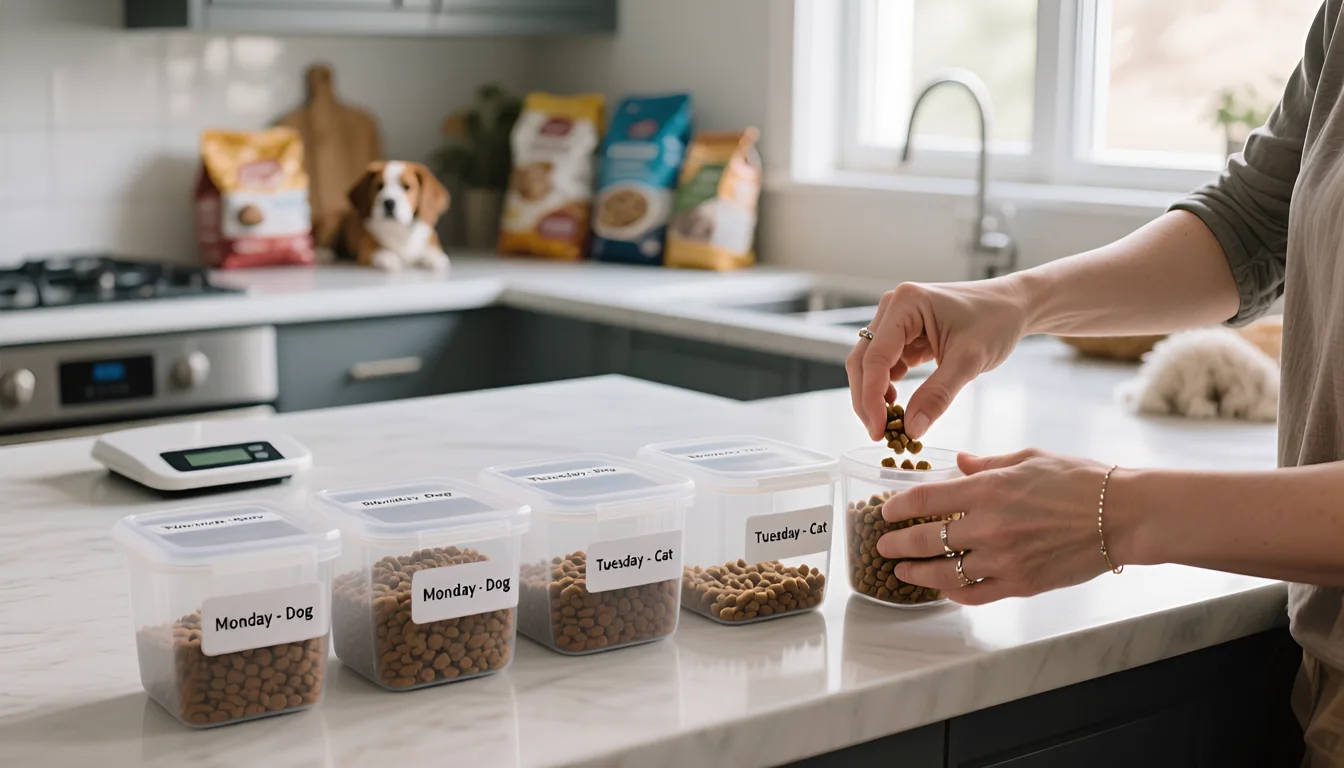
Meal Prep for Busy Pet Owners: A Weekly Feeding System
Build a simple weekly pet meal prep system with portioning, storage, and feeding routines that save time while keeping nutrition consistent and balanced.

Home Health Routine: Daily Checks Every Pet Parent Should Do
Use this daily pet health routine to spot early warning signs, reduce emergency risk, and support long-term wellness with practical at-home checks.

5-Minute Daily Training Plan for Better Pet Behaviour
Train your pet in 5-minute daily sessions using clear cues, reward timing, and consistency to improve focus, manners, and real-life behavior at home.