

Quick Facts Overview
| Category | Description |
|---|---|
| Size Category | Medium |
| Weight | 3-5 kg, with males typically larger |
| Coat Type & Colours | Short, dense, plush double coat; uniform blue with silver-tipped guard hairs |
| Energy Level | Medium |
| Origin | Likely Arkhangelsk, Russia, with modern development in the United Kingdom |
| Grooming Needs | Low to Medium; weekly brushing recommended |
| Temperament | Gentle, loyal, reserved, intelligent, and quietly playful |
| Trainability | Medium; can learn routines and simple tricks with patient handling |
| Compatibility | Excellent with older children and calm pets if socialised well |
| Lifespan | 15-20 years |
| Vocalisation Level | Quiet; soft voice and not usually prone to constant meowing |
Breed Origins and History
Key Facts
- Parent Breeds: A natural breed rather than a designed cross.
- Country of Origin: Associated with Russia, especially the Arkhangelsk region, though much of the modern breed was refined in the United Kingdom.
- Original Role: Likely valued both as a companion and as a capable mouser on ships and in homes.
- Recognition: One of the older recognised blue-coated breeds, later standardised through cat fancy development in Europe and North America.
Early Origins
The Russian Blue's history is wrapped in both folklore and reasonable evidence. The most widely accepted origin story places the breed in Arkhangelsk, a northern Russian port where a dense, protective coat would have been useful in a cold climate. Sailors are thought to have brought these cats to Europe, where they gained attention for their elegant blue coat, reserved temperament, and strong hunting ability.
Victorian Popularity and Near Extinction
By the late 1800s, cats described as "Archangel Blues" were appearing in British cat shows. Their silvery blue coat and bright eyes made them memorable, but like many purebred populations, their numbers were badly affected by the World Wars. Breeders in Britain and Scandinavia worked to preserve the type, sometimes using carefully selected outcrosses to maintain genetic strength while retaining the breed's signature appearance.
Modern Refinement
During the mid-20th century, breeders in Britain, Scandinavia, and the United States refined the modern standard. They emphasised the breed's elegant but moderate body, plush silver-blue coat, and striking green eyes. The result is the modern Russian Blue: a cat that looks refined and delicate at first glance, but is actually athletic, observant, and quietly robust.
Personality and Temperament

Overview
The Russian Blue temperament is defined by quiet loyalty. These cats often form a deep bond with their chosen person or household, following them from room to room with calm devotion rather than loud demands. They are affectionate without being overbearing and intelligent without being chaotic. At the same time, they are famously cautious with strangers and sensitive to noise, unpredictability, and household tension.
This is not usually the right breed for a loud, constantly changing environment. Russian Blues do best when they can trust their surroundings, rely on a predictable routine, and retreat when they need space.
Key Temperament Traits
- Affectionate yet Reserved: Deeply loving with family members but often aloof with unfamiliar people.
- Playful yet Calm: They enjoy active play in short bursts, but their overall manner is controlled and gentle rather than hyperactive.
- Intelligent and Curious: They are observant cats that quickly notice changes, solve puzzle toys, and learn household routines.
- Socially Selective: They bond strongly but are not usually clingy. Many can tolerate moderate alone time if their environment is secure and enriched.
- Quietly Communicative: Their voice is soft and polite, and they are not known for constant vocalisation.
Potential Issues
Because they are sensitive, Russian Blues can become anxious in chaotic homes or around harsh handling. Sudden change, loud conflict, or repeated overstimulation may lead to hiding, withdrawal, over-grooming, or other stress-related behaviours.
Suitability
Russian Blues are ideal for singles, couples, seniors, and quiet families with respectful older children. They are usually less suited to homes with very young, noisy children or constant household disruption. For the right owner, they offer a calm, loyal, and deeply rewarding bond.
Trainability and Intelligence
Overview
Russian Blues are clever, observant, and very capable of learning, but they are not blindly obedient. They respond best to gentle, patient teaching that respects their sensitivity and independent streak. Training should feel cooperative, not forceful.
Trainability Traits Comparison
| Trait | Rating | Notes |
|---|---|---|
| Obedience | Medium-High | They can learn commands and routines well, but may choose when to cooperate. |
| Responsiveness | Medium | They respond best to calm, positive reinforcement and often shut down under harsh handling. |
| Focus | Medium | Short, engaging sessions work better than repetitive drilling. |
| Social Learning | High | They learn routines and environmental expectations quickly through observation. |
Recommended Training Methods
Use high-value treats, gentle praise, and clicker training where helpful. Keep sessions short, usually around 5-10 minutes, and always end on a positive note. Never use punishment, raised voices, or force, as this can damage trust very quickly with this breed.
Suitable Training Activities
- Litter box habits and handling routines.
- Basic cues such as "come," "sit," or "off."
- Simple tricks such as targeting, shake, or fetching a toy.
- Harness training for secure outdoor exploration.
- Puzzle feeders and clicker games for mental stimulation.
Training Tools and Gear
- Soft, high-value training treats.
- Clicker for marker training.
- Secure harness and lightweight leash.
- Puzzle feeders and treat dispensers.
- Wand toys for redirecting play and hunting instincts.
- Scratching posts for appropriate outlet behaviours.
Exercise and Activity Requirements
Daily Requirements
Russian Blues have a moderate energy level, but they still need consistent daily stimulation. Aim for around 15-30 minutes of active interactive play across one or two sessions, plus environmental enrichment such as puzzle feeders, perches, and toy rotation.
Recommended Activities
- Interactive wand play: Excellent for satisfying stalking and chasing instincts.
- Climbing and vertical movement: Cat trees, shelves, and window perches are especially valuable.
- Puzzle feeders: Ideal for mental stimulation and slowing down food-motivated cats.
- Hide-and-seek with treats or toys: Encourages their natural curiosity.
- Secure outdoor access: A catio or carefully supervised harness time can be enriching for some individuals.
Activity Recommendations
Quality matters more than raw duration. Two focused play sessions plus a puzzle feeder often work better than long stretches of passive toy access. Their activity needs are very manageable in an apartment as long as the environment is not empty or boring.
Recommended Gear
- Tall, stable cat tree.
- Window perch.
- Wand toys with feather or fur-like attachments.
- Puzzle feeders and slow-feeding toys.
- Secure harness and leash if training outdoors.
- Wall shelves or a simple indoor cat highway.
Physical Characteristics

Typical Features
The Russian Blue is an elegant but moderate breed rather than an extreme one.
- Body: Long, fine-boned, and muscular with a graceful outline.
- Head: A smooth, medium wedge with a straight profile.
- Eyes: Large, vivid green eyes that become more intense with maturity.
- Ears: Large, alert, and set high, contributing to the breed's watchful expression.
- Coat: Short, dense, plush double coat that stands out slightly from the body rather than lying flat.
- Colour: Clear blue-grey with silver tipping that creates the breed's signature shimmer.
- Distinctive Features: The so-called "Russian smile," velvet-like coat texture, and striking contrast between silver-blue fur and green eyes.
Size Variations
Males are usually larger and sturdier than females. Females often sit around 3-4 kg, while males are more often in the 4-5 kg range, though individual variation exists.
Distinctive Breed Traits
- Plush coat texture unlike many other shorthairs.
- Emerald eyes against a cool silver-blue coat.
- Graceful, fluid movement with a quiet, balanced gait.
Living Environment Suitability
Adaptability
Russian Blues adapt well to apartments and houses when the environment is calm, predictable, and enriched. They do not usually enjoy constant upheaval or loud, crowded conditions.
Ideal Conditions
- Apartment Living: Excellent if the home includes vertical space, scratching outlets, and daily interaction.
- Houses: Also suitable, especially if the household is calm and structured.
- Indoor-Only: Strongly recommended. Their gentle, trusting nature can make them vulnerable outdoors.
- Space Needs: Vertical space and secure retreat areas matter more than total floor size.
- Noise Tolerance: Best in orderly, lower-noise homes.
Useful Products
- Tall cat tree or floor-to-ceiling condo.
- Wall-mounted shelves.
- Window perch.
- Covered bed or retreat space.
- Pheromone diffuser for stress reduction during transitions.
Grooming and Maintenance
Grooming Needs
The Russian Blue is relatively easy to groom, but its dense coat still benefits from regular upkeep.
- Brushing Frequency: Weekly is usually enough, increasing during seasonal sheds.
- Bathing Requirements: Rarely needed unless the cat becomes unusually dirty.
- Professional Grooming: Usually unnecessary if coat care is handled at home.
- Nail Trimming: Every 2-3 weeks.
- Ear Checks: Weekly inspection, with cleaning only as needed.
- Dental Care: Very important. Regular brushing is the best defence against periodontal disease.
- Eye Care: Usually minimal, though an occasional wipe is fine if needed.
Recommended Products
- Fine-toothed comb or soft grooming brush.
- Feline nail clippers.
- Cat-safe toothpaste and toothbrush.
- Ear cleaner and cotton pads.
- Stainless steel or ceramic bowls.
Common Health Issues
General Health
Russian Blues are generally considered a healthy natural breed, and many live well into their late teens. Even so, responsible ownership still means understanding known risks and prioritising preventive care.
Potential Conditions
- Hypertrophic Cardiomyopathy (HCM): A serious heart condition seen across many cat breeds.
- Obesity: A risk in indoor cats with a calm lifestyle if portions are not controlled.
- Patellar Luxation: Occasionally reported and worth screening awareness.
- Periodontal Disease: A common issue if dental care is neglected.
- Urinary Tract Problems: Stress and hydration can both affect urinary health.
- Progressive Retinal Atrophy (PRA): Rare, but relevant in some lines.
Preventive Care
- Annual veterinary wellness exams, or more often for seniors.
- Vaccination and parasite prevention as advised by a veterinarian.
- Weight monitoring at home.
- Prompt follow-up for appetite changes, hiding, or litter box changes.
- Breeder transparency around health screening where applicable.
Supportive Care
Maintaining a healthy body condition, supporting hydration, reducing stress, and keeping a stable routine all help support long-term health in this breed.
Diet and Feeding Guidelines
Nutritional Requirements
As obligate carnivores, Russian Blues need a diet based on high-quality animal protein, appropriate fat levels, and good moisture intake.
- Protein: Should be a major focus of the diet.
- Fats: Useful for energy and coat quality.
- Carbohydrates: Best kept moderate rather than filler-heavy.
- Moisture: Important for urinary and kidney support, especially in indoor cats.
Feeding Schedule and Portions
- Kittens: 3-4 small meals daily.
- Adults: Usually 2 measured meals per day.
- Seniors: May do better with smaller, more frequent meals if appetite changes.
- Portion Control: Adjust by body condition, not guesswork or constant free-feeding.
Wet vs Dry Food
Wet food helps hydration and urinary health. Dry food can still be useful for convenience and puzzle feeders. A mixed approach works well for many owners if the overall diet is balanced and portions stay controlled.
Weight Management
You should be able to feel the ribs without excessive fat cover and see a waist from above. Monthly weigh-ins are a useful habit, especially for indoor adults.
Hydration
Provide multiple water sources, and consider a water fountain because many cats drink more from moving water.
Foods to Avoid
Never feed onions, garlic, chocolate, grapes, raisins, xylitol, cooked bones, or a routine of rich table scraps.
Helpful Accessories
- Measuring cup or measured feeder.
- Ceramic or stainless steel bowls.
- Water fountain.
- Puzzle feeder or slow-feeder.
Compatibility with People and Other Pets

Social Adaptability
Russian Blues are deeply loyal to their family but selective in how they socialise. They generally prefer calm, respectful interaction and usually do best when new people and pets are introduced gradually.
Compatibility Overview
- Children: Best with older, gentle children who understand quiet handling.
- Other Cats: Often compatible when introductions are slow and resources are plentiful.
- Dogs: Can work well with calm, cat-friendly dogs, but not typically with chaotic or barking dogs.
- Small Pets: Use caution because prey drive is still present.
- Strangers: Usually reserved at first and may watch from a distance.
- Singles and Seniors: Excellent match for quieter households.
Facilitating Harmony
- Provide separate feeding, litter, and resting areas in multi-pet homes.
- Give the cat high perches and retreat zones.
- Use pheromone diffusers during introductions if needed.
- Do not force interaction with guests or new animals.
Behavioural Issues and Management
Common Challenges
- Stress-Related Hiding: Common in overstimulating environments.
- Furniture Scratching: Can happen if scratching surfaces are limited or poorly placed.
- Litter Box Avoidance: Often tied to stress, setup problems, or medical issues.
- Anxiety Behaviours: Over-grooming, withdrawal, or tension-related toileting issues can appear in sensitive cats.
- Boredom-Driven Mischief: Less dramatic than some breeds, but still possible in under-enriched homes.
Management Solutions
- Keep routines predictable.
- Use daily interactive play and enrichment.
- Provide multiple scratching options.
- Keep litter boxes clean, accessible, and low-stress.
- Address sudden behaviour changes medically first.
- Seek feline behaviour support if problems persist.
Prevention Tips
Early positive socialisation, calm handling, proper scratching outlets, and a stable household routine go a long way in preventing behavioural issues in this breed.
FAQs: Russian Blue Cat Breed
Are Russian Blue cats hypoallergenic?
No cat is truly hypoallergenic. Some people tolerate Russian Blues better than other breeds, but they still produce the proteins that trigger cat allergies.
Do Russian Blue cats get along with dogs?
They can, but success depends heavily on the dog's temperament and a slow, calm introduction process.
How much do Russian Blue cats shed?
They are generally low to moderate shedders, though the dense double coat often sheds more during seasonal changes.
Are Russian Blue cats suitable for first-time cat owners?
Yes, if the owner is prepared for a sensitive, quiet, routine-loving cat rather than a highly outgoing or constantly demonstrative breed.
Do Russian Blue cats require a lot of attention?
They need consistent daily interaction and enrichment, but they are usually less demanding than many highly social breeds.
How vocal are Russian Blue cats?
Very quiet. Most communicate through soft meows, chirps, and body language rather than loud, frequent vocalisation.
What is the price range for a Russian Blue cat?
Pricing varies by breeder, health testing, bloodline, and location. Cats from reputable breeders are usually significantly more expensive than casually bred kittens because good breeding standards and health screening add real cost.
Do Russian Blue cats have any special dietary needs?
Not usually, but they benefit from measured feeding, high-quality protein, and good hydration support because obesity and urinary health can become concerns in indoor cats.
How long do Russian Blue cats live?
With good care, many live 15-20 years and sometimes longer.
Are Russian Blue cats good with other cats?
Yes, often. They usually coexist well with calm feline companions if introductions are gradual and the home has enough resources.
Final Thoughts
The Russian Blue is not the loudest or flashiest cat breed, but for the right home that is exactly the appeal. This is a cat of quiet loyalty, refined beauty, and deep emotional sensitivity. They are often at their best in homes where routines are stable, affection is gentle, and the environment feels safe rather than chaotic.
For an owner who values calm companionship, elegant looks, and a thoughtful, observant feline personality, the Russian Blue can be an exceptional long-term match. Their strengths come with corresponding needs: emotional security, enrichment, predictable structure, and respectful handling. Meet those needs, and this breed rewards you with one of the most graceful and devoted bonds in the cat world.
Editorial Standards
This cat breed guide is reviewed for accuracy, readability, and practical usefulness for pet owners.
Content is reviewed against reputable veterinary and breed-care guidance before publication.
This content is educational and is not a substitute for veterinary diagnosis, treatment, or personalised medical advice.
Related Reads
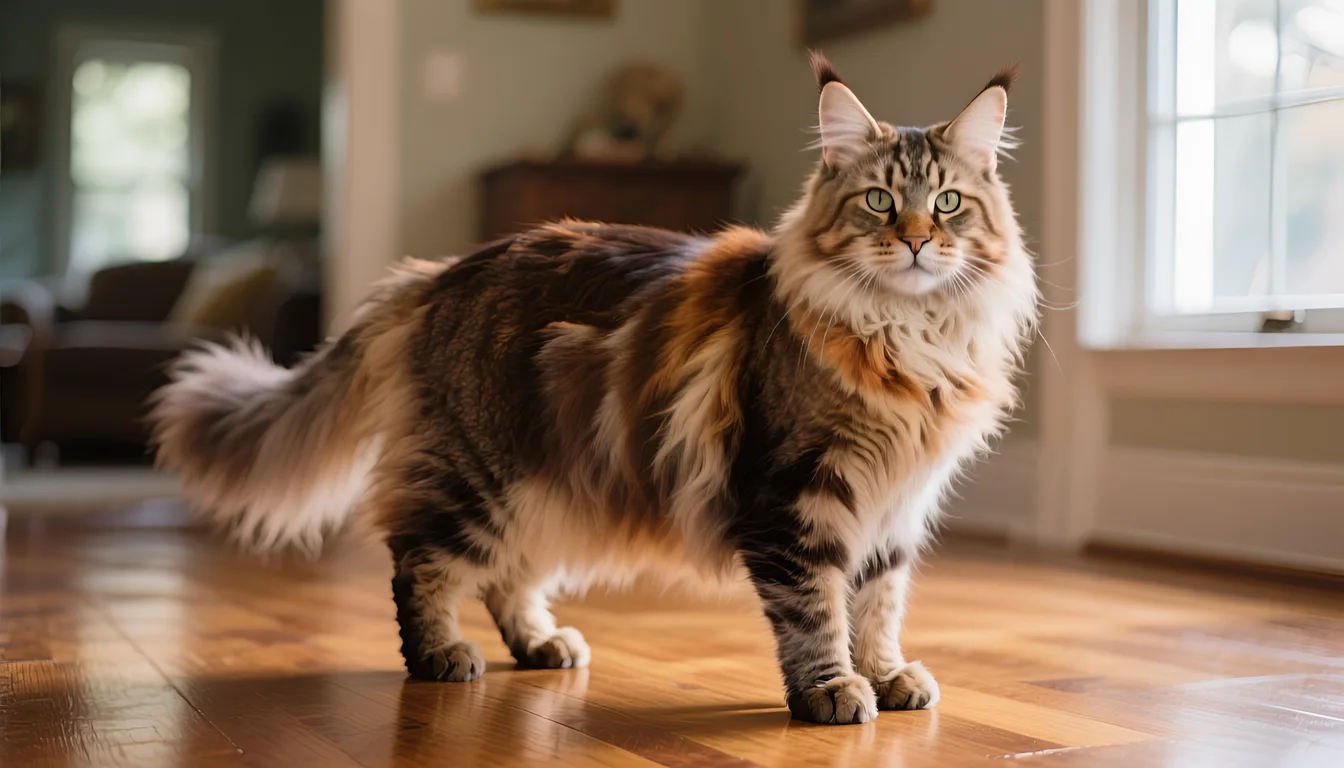
Maine Coon Cat Breed: Temperament, Grooming, Training & Care
Detailed Maine Coon cat breed guide covering temperament, size, grooming, exercise, health, feeding, and daily care for this gentle giant companion.
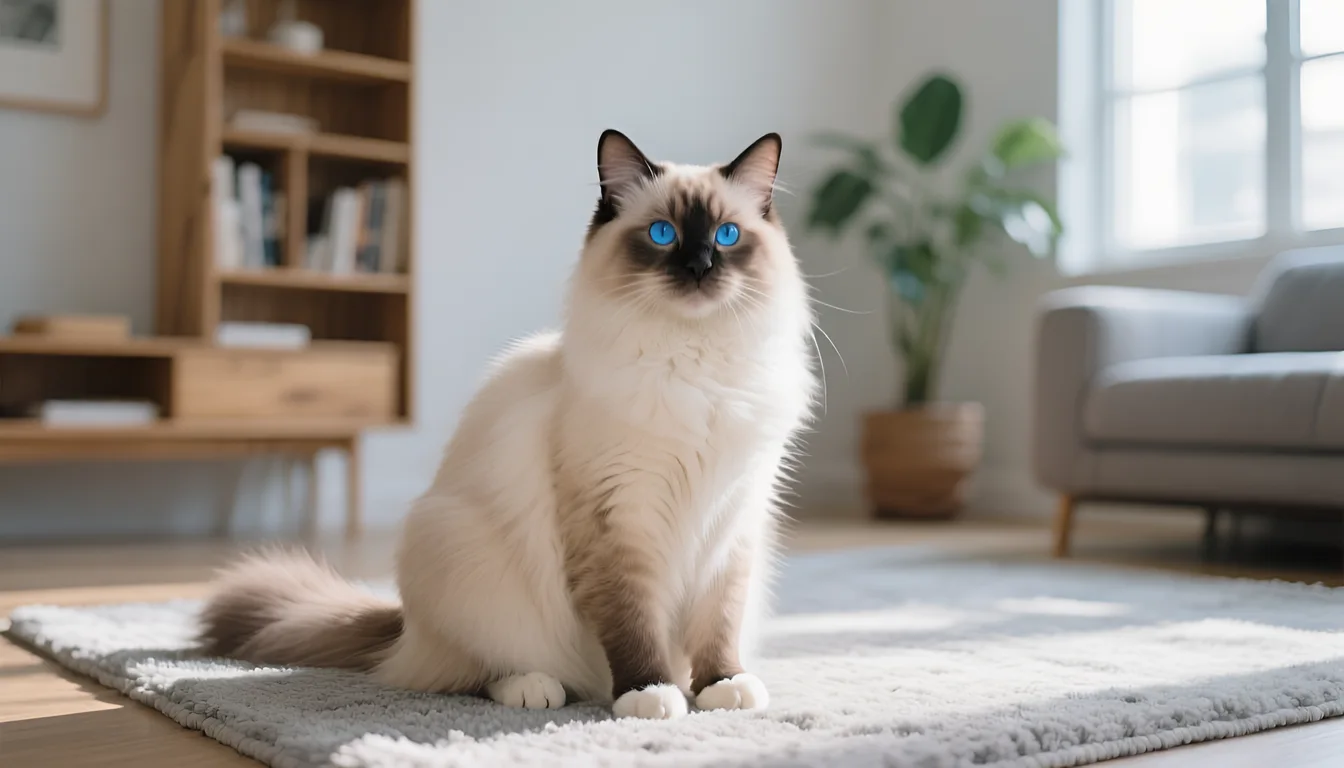
Ragdoll Cat Breed: Temperament, Grooming, Training & Care
Detailed Ragdoll cat breed guide covering temperament, grooming, training, health, feeding, and daily care for this calm, affectionate indoor companion.
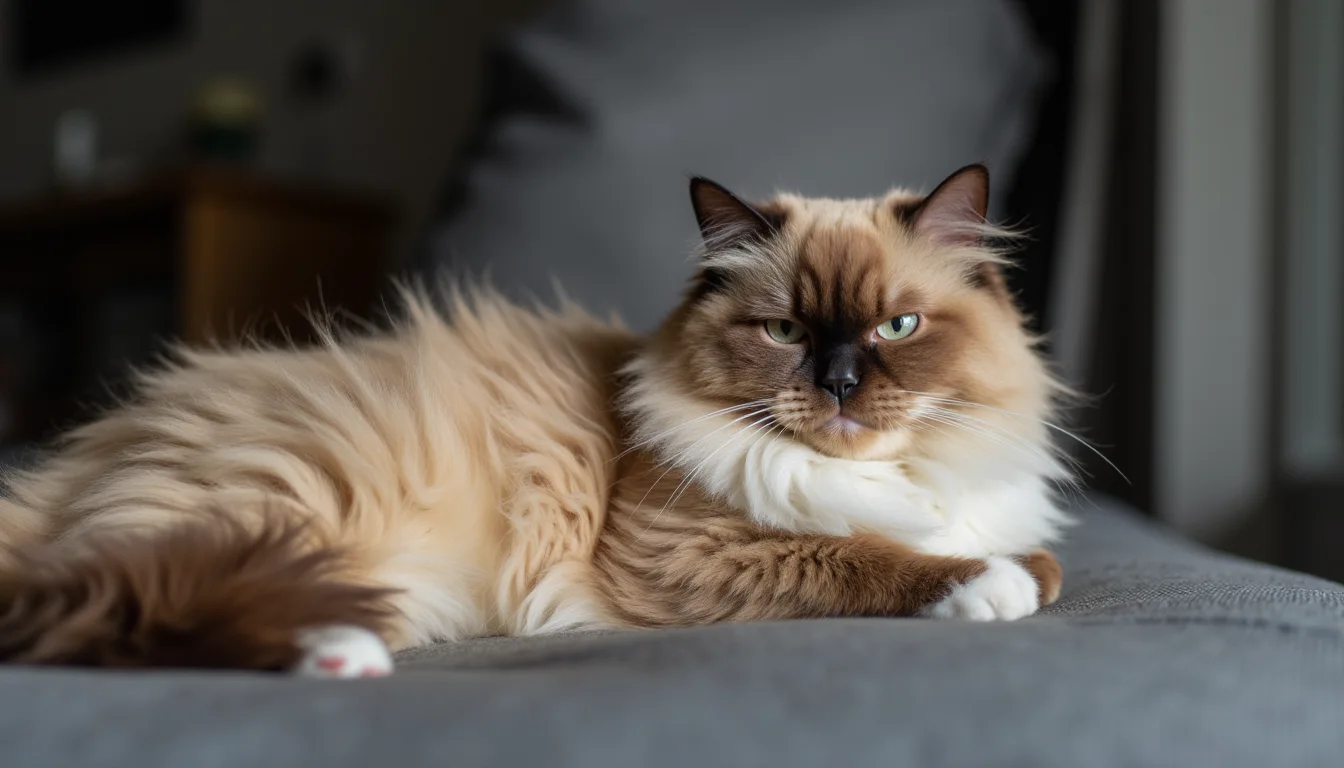
Persian Cat Breed: Temperament, Grooming, Training & Care
Detailed Persian cat breed guide covering temperament, grooming, exercise, health, feeding, and daily care for this calm, long-haired indoor companion.